
‘The American age is over’
Phillips Payson O’Brien at The Atlantic
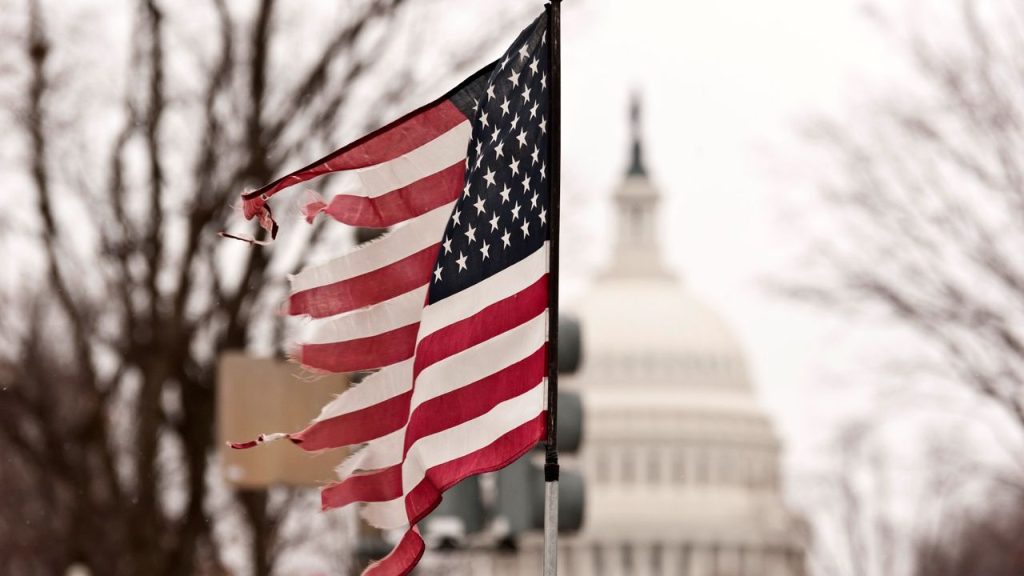
“In the past six months, America’s power, long exemplified by the world’s best warfighting equipment and most highly trained military personnel,” has “proved insufficient to defeat Iran, an economically stagnant regime armed with cheap missiles.” For years, “virtually everyone thought that, in a crisis, Washington could draw on deeper reserves.” This “assumption about America’s fundamental strength reassured allies and deterred foes,” but it also “promoted a complacency.” Trump’s “war with Iran has revealed” just how much “American might has decayed.”
‘We found the most galling argument of the upcoming Supreme Court term’
Jacob D. Charles at Slate
“This fall, the Supreme Court will entertain a Second Amendment challenge to the prohibition of assault weapons in Viramontes v. Cook County,” says Jacob D. Charles. “The challengers — a few individuals who want to own such weapons, along with some gun-rights advocacy organizations,” argue that the “Constitution prohibits” them from “protecting themselves.” But their “precise argument depends upon judges second-guessing — indeed, overruling — the decision that millions of American people made about these weapons.”
‘Dementia cases are set to triple by 2050. Here’s how we can improve early detection.’
Anna Chodos at the San Francisco Chronicle
About “1 in 3” people “85 and older” have dementia, said geriatrician Anna Chodos, and it’s “estimated that half” of those living with it “do not get a diagnosis.” But patients would “live longer and experience better brain function if they were given the chance.” Earlier evaluation can include “identifying and addressing sleep disorders, diabetes, obesity, hearing and vision loss, and poorly controlled vascular risk factors.” It “also means helping people find ways to be as physically, socially and cognitively active as possible.”
‘Oura will struggle to justify pulse-racing $16bn valuation’
Jennifer Hughes at the Financial Times
The Oura smart rings maker’s “upcoming initial public offering” is a “sign of investor interest” in “preventive healthcare,” says Jennifer Hughes. Still, it will “need endorsements of a more scientific kind.” As “care costs soar, the health-related uses become more valuable.” The device’s “continuous monitoring might flag a problem sooner than a patient’s next routine medical visit,” and clinical studies are using Oura data. But for it to be “more than a lifestyle gadget,” the brand must “overcome doctors’ concerns.”
Opinion, comment and editorials of the day