
Visiting China these days, you can feel as if you are travelling two ways in time, said James Patterson in The Sunday Times: back into an “outlandish” past, and forward to a “strange” future.
The country is a place of “skyscrapers and temples, calligraphy and texting, AI and hand tools” and, on a recent trip to Shanghai and the nearby cities of Suzhou and Hangzhou, I got to see the best of this duality. In Shanghai, I stayed at the Amanyangyun hotel, where the guest villas are Ming- and Qing-dynasty houses, relocated – with some 10,000 camphor trees – from a village in Fujian province, some 400 miles away. And amid the modern luxuries, including a 20m lap pool, is a 17th-century school building offering calligraphy classes and music lessons on the seven-stringed guqin. The “hullaballoo of urban China” felt a long way away.
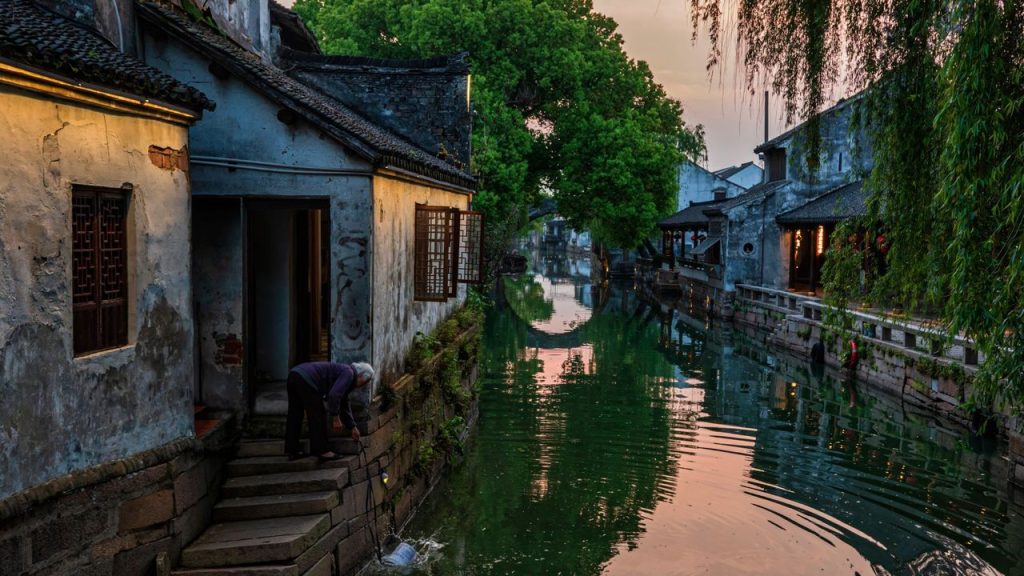
A 30-minute journey by bullet train took me to other “bucolic” Suzhou. This ancient city is known for its 60 or so “manicured” gardens (all of which have Unesco World Heritage status), including the Humble Administrator’s Garden, a watery maze of islands and elegant bridges. My hotel here, the Hanyu Garden Reserve, was redolent of the past, too, with its low pavilions and carved wood. I travelled to Hangzhou by taxi through the countryside, where women worked with mattocks in vegetable fields and, in the water towns of Lili and Nanxun, boatmen “propelled flat-bottomed skiffs along canals festooned with oblong lamps and willow trees”.
For the 13th-century explorer Marco Polo, Hangzhou was the “finest and noblest” city in the world, and it is still beautiful today. With its 10th-century pagoda and verdant setting, West Lake is “a vision from antiquity” and, in the spring, the forests in the surrounding hills are laden with peach and cherry blossom. I can also recommend the hotels where I stayed: the Muh Shoou Xixi and the Qiushui Villa, which can arrange trips to see the tea harvest around the village of Longjing.
From the bustle of Shanghai to ancient rural cities, lined with canals