
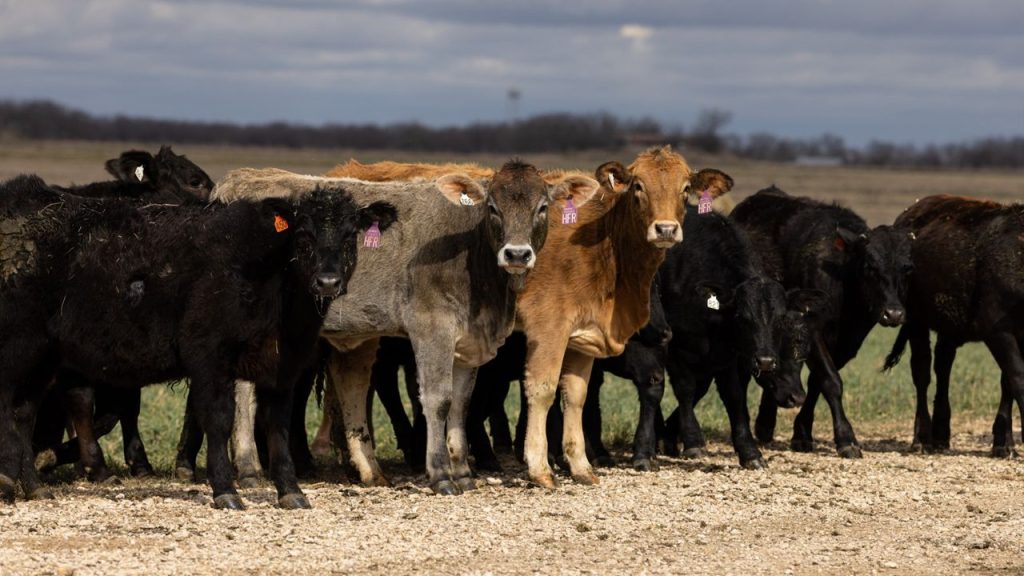
People looking to grill hamburgers this summer may not get a respite from rising beef prices anytime soon, as an ongoing cattle shortage across the United States could compound high costs at the grocery store. Farmers are now worried the beef industry could be on the fritz for a while.
How is the cattle shortage affecting the beef market?
At the beginning of 2026, American cattle producers had 86.2 million heads of cattle nationwide according to the U.S. Department of Agriculture (USDA), marking the lowest number to start the year since 1951. The number of cattle that had calved (given birth to a baby) was also down 100,000 from the prior year. Several economic and geopolitical factors have “been pushing livestock numbers down, including rising costs, international competition and increased consolidation in the cattle industry,” said NPR.
“Years of severe drought in the western United States” have also “strained feed supplies and forced many ranchers to reduce their herds,” said WTHR-TV Indianapolis. With less grain comes less grass for cattle to feed on, so “farmers have cut herd sizes — a decision that can shrink the nation’s beef supply for years.” The reduced supply is becoming unsustainable for ranchers.
As cattle become more scarce, their price goes up, and these higher prices have led many ranchers to “sell their livestock and have dissuaded them from buying new animals to rebuild their herds,” said NPR. Cattle farmers say they are being forced to gamble with the industry. “We could put another 100 head out on grass, with what our grass will hopefully be this spring, but then you’re also wondering too, ‘Is that too much of a risk?’” Amanda Hall, a cattle farmer in Lexington, Kentucky, told NPR.
What does the future hold?
Even as ranchers are looking for solutions to high prices, there is “no quick fix for tight supplies, as the sticker shock in the grocery aisles didn’t happen overnight,” said Bloomberg. But Americans don’t want beef any less just because it’s more expensive, and demand has “allowed big retailers to stay on the winning side of these sales, while meatpackers lose out, as larger accounts have leverage to negotiate their pricing,” David Anderson, an agricultural economics professor at Texas A&M University, told Bloomberg.
President Donald Trump’s effort to “lower beef prices has divided top administration officials and some of his closest allies,” said Politico, potentially throwing another wrench into the mix. Trump faces a dilemma in “trying to balance consumers’ concerns about rising grocery prices with those of his supporters in the cattle industry.” The administration’s decision to import large quantities of Argentinian beef has also rubbed many ranchers the wrong way.
The government still remains optimistic that the livestock lull is only temporary. While short-term lows remain, cattle inventories “are expected to rise to 91.6 million head in 2034,” said the USDA. Prices in 2026 could reach record highs “before falling back through 2031 and then starting a new climb through 2034.” Other parts of the farm are also expected to grow, as “broiler chicken production is projected to reach successive annual record highs over the next 10 years.”
Domestic cattle ranchers had only 86.2 million livestock at the start of the year