
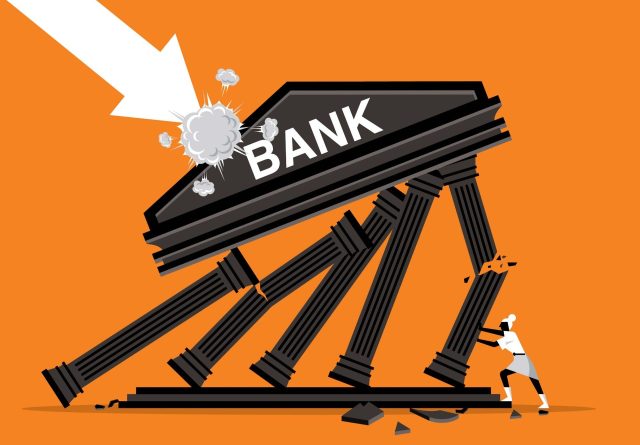
From grounded flights to email outages, it has become clear that technology is not as immune to glitches as we once hoped. Those disruptions can even extend to our banks.
In mid-November, a “widespread outage” disrupted some of the “largest financial institutions in the U.S., including Bank of America, Chase and Wells Fargo, leaving customers unable to access their accounts,” said Yahoo Finance. Users reported issues with “web login, checking account balances and transactions, mobile banking, transferring funds and using services like Zelle.”
Thankfully, the fix this time around was fairly quick. But with “AI exposing vulnerabilities in our software and companies rushing to fix them, experts say disruptions could last several more months or longer — and the next one could test our dependence on digital services like phone-based payment systems or online banking,” said The New York Times. Here is what you can do to be better prepared.
Consider a second bank account
If you only do all of your banking with one institution, you may want to consider diversifying. For instance, you could keep a checking account at one bank and your savings at another. “If one goes down, then I have the other one that I can lean on,” said financial adviser Marcus Holzberg to The Wall Street Journal. Having credit cards with “different payment networks and issuing banks, such as a Chase Visa and a Citi Mastercard,” can be a smart move too, said the outlet.
Get out some cash to keep on hand
“One habit people should embrace again is having a little cash on hand,” said Chris Krebs, a former director of the Cybersecurity and Infrastructure Security Agency at the U.S. Department of Homeland Security, to the Times. That way, if payment systems go down, you can still cover your daily needs. Aim to have “small bills at home” rather than larger denominations some businesses may not accept, and also consider keeping “bank account numbers written or printed on paper,” said the Times.
Give some leeway ahead of bill due dates
Rather than setting it up for the day it’s due, schedule your bill autopays to go through a little in advance. A “buffer of five days, give or take, leaves time for you to address any hiccups,” which is “especially important for large payments” like a mortgage or college tuition, said the Journal.
Gather evidence of any issues that occur
If things start to go haywire, stay calm and attempt to document the issue. For example, “when you do have a problem processing a payment or making a transfer online, it can help to document it with a screenshot,” so that “later, you can use the screenshot to help recover any money you lose (due to late fees or accidental overdrafts),” said Yahoo Finance. You should also avoid trying to get something to go through repeatedly, as that may result in duplicate transactions racking up.
Stay alert to possible scams
Last but not least, be wary of the potential for financial scams. “Scammers try to capitalize on anxiety during outages and might contact you posing as your financial institution,” said the Journal. So if you get a text or phone call, or any requests for personal information, think twice before engaging.
Five tips that will help in the event of more financial disruptions