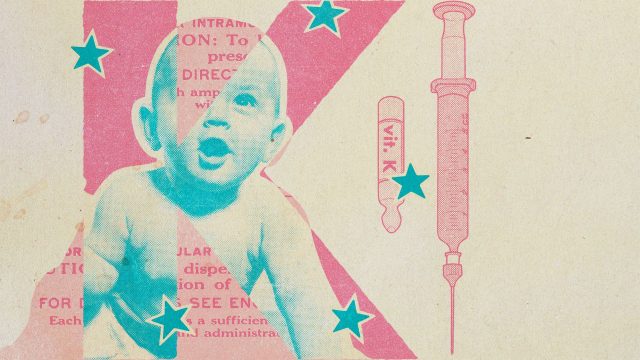
With vaccine hesitancy on the uptick, doctors are sounding the alarm about a worrying trend of parents also declining a vitamin K injection recommended for newborns. More infants are experiencing dangerous bleeding, which the shot curtails.
Why parents are refusing vitamin K
For decades, the American Academy of Pediatrics has suggested that every newborn receive a vitamin K shot, helpful for getting blood to clot. The injection can protect against “sudden, catastrophic bleeding” that could occur “even in otherwise healthy babies,” said The New York Times. It is “not a vaccine,” but as mistrust in medicine has grown and Health Secretary Robert F. Kennedy Jr. and other “prominent health figures” cast doubt on childhood vaccinations, “more parents have started forgoing it.” Some parents cite misinformation from a since-debunked 1990 study linking vitamin K to childhood cancer.
Doctors saw an increase in infants with serious hemorrhages as far back as 2017, but the problem has worsened significantly in recent years, according to two new studies published in the journals JAMA and JAMA Pediatrics. Between 2017 and 2025, the rate of newborns who did not receive a vitamin K shot more than doubled, from 3.1% to 6.8%, according to the JAMA study. The overall rate of vitamin K deficiency bleeding rose nearly 350% to 107.4 cases per 100,000 during that time period, according to the JAMA Pediatrics study.
Why the studies matter
These are the first published peer-reviewed studies to “investigate increased infant bleeding” and “vitamin K shot refusal over the past decade,” said USA Today. The CDC does not track rates of vitamin K refusals or associated bleeding. Lawmakers in July “urged the agency to begin keeping such records” after a ProPublica investigation found that babies were dying after their parents refused the injections.
The number of newborns facing life-threatening bleeding is on the rise