Vomiting, diarrhoea, sweating and a swollen face. Not the normal desired effects of a detox, but a kambo ceremony is not a normal detox.
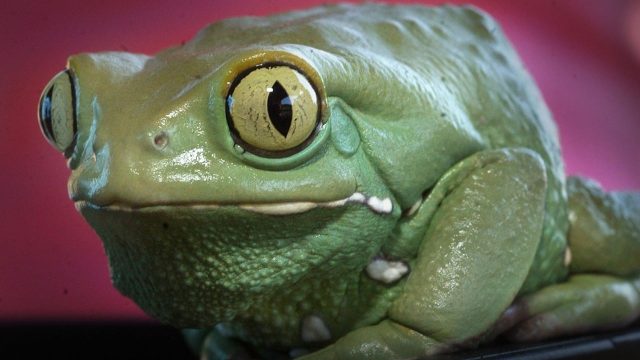
Kambo is a poisonous secretion from an Amazonian tree frog, used by some indigenous people as traditional medicine. Its use as a wellness practice has spread to the US and Europe.
Last weekend it was reported that Kristian Trend, a 40-year-old wellness coach and cancer survivor from Leicester, had died after taking the frog poison. “He is believed to be the first British victim,” said The Times, but at least six deaths worldwide have been associated with kambo.
The substance is harvested from the defensive skin secretions of the Amazonian giant monkey tree frog. In the traditional medicine of some indigenous peoples of the Amazon, kambo “is applied to superficial burns on the skin of participants to produce an intense purging effect”, said Martin Williams, research fellow at Swinburne University of Technology, Melbourne, on The Conversation.
‘Uncontrolled increase in fatalities’
Self-styled “kambo practitioners” have touted a range of supposed benefits for the purge and detox, including reduced anxiety, boosted energy and relief from chronic pain. Despite the documented side-effects, “the great majority of users of kambo anecdotally report positive physical, emotional and spiritual after-effects”, said Williams. Several celebrities have reportedly tried kambo, including actor Orlando Bloom, who told GQ that he had tried the treatment several times and claimed it left him with a “feeling of being clearer and wide open”. “You have this sensation of death and you kind of purge your body. But it’s incredible.” He did add, however, that “it was pretty brutal in terms of what it does to the body in the moment”, describing it as “coming out both ends”.
Kambo can also have more severe health consequences, with a paper published last year in Cureus, the online journal, warning of potential long-term issues. According to the scientists, the psychiatric effects were induced by hyperthermia and hyponatraemia, which were “often misinterpreted by participants as ‘astral travel’, instead of being recognised as potentially fatal conditions”. They added: “The widespread availability of kambo on the internet poses another pressing concern, contributing to an uncontrolled increase in fatalities.”
‘Absolute Western arrogance’
Governments around the world have acted to ban the poison. In Brazil, it’s illegal to sell or market kambo. In Australia, where two deaths after kambo rituals have led to coroner’s inquests, it was listed by the Therapeutic Goods Administration in 2021 as a Schedule 10 poison: a “substance of such danger to health as to warrant prohibition of sale, supply and use”.
Trend’s mother Angie told The Telegraph that she wants the treatment to be banned in the UK following her son’s death: “He was going to cleanse himself, that’s what he said to me. He was very spiritual. He took a lot of vitamins.”
Despite the dangers, the adoption of wellness rituals involving kambo continues to grow worldwide. “A lot of these Western wellness practitioners are exploiting people’s gullibility and exploiting those who are sceptical about Western medicine,” Prof Roger Byard, a forensic pathologist at Adelaide University, told The Guardian.
“But the techniques of shamans and healers in Indigenous communities have been used for hundreds of years and they have been trained to safely use these substances for certain, specific situations. To think that we can go into a community or spend a bit of time in another country and then take one of their time-honoured, cultural practices and then just take it for our own use is absolute Western arrogance.”
First UK death related to substance has prompted calls for a ban – but why do people use it?