Over the years working with communities across Zambia’s expansive Kafue Flats, I have seen first-hand how deeply people’s lives and culture are tied to this vast wetland. Families depend on its waters for fish, grazing land for livestock and fertile soils for farming that sustain livelihoods and economies.
While it is home to the endangered Wattled and Grey Crowned cranes and several bird species, I have witnessed the growing strain on the important ecosystem and on livelihoods. Droughts, floods, degraded grazing areas, loss of wildlife, declining fish stocks, fires, invasive plant species and the effects of climate change are changing the landscape and the lives of the communities that call the Kafue Flats home.
Now, an investment through the Global Environment Facility (GEF) offers renewed hope for restoring the Kafue Flats and strengthening community resilience.
The project was developed by the ministry of green economy and environment and the ministry of tourism, in partnership with the World Wide Fund for Nature and the International Crane Foundation as implementing agencies, under the Kafue Flats Restoration Partnership, a 20-year collaborative management partnership agreement for the sustainable management and restoration of the Kafue Flats.
The five-year $9 million (about R150m) GEF 8 Kafue Flats Project, launched at the end of May 2026 in Monze town, is one of Zambia’s most significant integrated environmental restoration, protected area management and climate resilience initiatives in the region in the past 20 years. This is more than a conservation project; it is an investment in protecting ecosystems that will safeguard wildlife, strengthen climate resilience and improve livelihoods for communities that depend on the Kafue Flats for survival.
Stretching across Southern and Central provinces, the Kafue Flats are one of Africa’s most important wetlands. The floodplain covers about 6 500km2 and supports communities in Namwala, Monze, Mazabuka, Shibuyunji, Mumbwa and Itezhi-Tezhi districts, as well as the Shakumbila, Muwezwa, Mungaila, Nalubamba, Hamusonde, Choongo and Mwanachingwala chiefdoms.
Recent studies indicate that 30% of the global population of Wattled cranes is found on the Kafue Flats. The Flats support more than 470 resident and migratory bird species and are home to the Kafue lechwe, an antelope found nowhere else in the world. Critically endangered vultures also depend on the ecosystem for feeding and nesting.
The Kafue Flats are vital to Zambia’s economy and food systems, supporting 90% of national sugar production, nearly 20% of the country’s cattle herd and 7% of national fish production.
They are also important for agriculture and hydropower generation, yet the ecosystem faces pressure from climate change, habitat loss, poaching, fires, invasive plant species and human-wildlife conflict.
Community consultations in 2023 across the seven chiefdoms revealed worsening water shortages, declining pasture, poor livestock health, lower crop yields, increasing pests and growing food insecurity linked to changing climate conditions.
It is against this backdrop that the GEF 8 Kafue Flats Project arrives with urgency and hope, scaling up initiatives of the Kafue Flats Restoration Partnership anchored under the theme “A Thriving Wetland for All”, combining environmental protection with community resilience and sustainable development.
Through wildlife and habitat restoration, the project will tackle poaching and wildlife crime, reduce human-wildlife conflict, restore degraded wetlands, strengthen fire management and continue removing the invasive Mimosa pigra plant threatening wetland health.
More than 600 000 hectares covering Lochinvar and Blue Lagoon national parks, the Kafue Flats and Nkala game management areas are expected to benefit from improved management.
At least 3 000ha of wetlands will be restored, helping revive wildlife habitats and improve ecological health across the floodplain.
Importantly, the project places communities at the centre of conservation. Thousands of households are expected to benefit through climate-smart livelihoods, enterprise development, ecotourism opportunities and cash-for-work landscape restoration initiatives.
The project will also support rotational grazing systems, improve livestock and wildlife management and address disease risks affecting animals and people.
Another focus is climate adaptation and resilience. The project will improve more than
25 000ha of rangeland, support climate-resilient enterprises and integrate climate adaptation into district planning. More than 5 000 community members are expected to benefit from improved livelihood opportunities and climate resilience measures.

The GEF investment reflects growing recognition that protecting wetlands such as the Kafue Flats is essential for Zambia’s environmental security, economic stability, biodiversity conservation, community wellbeing and cultural identity. When it comes to the wetland, what is good for wildlife and livestock is good for people — and for cranes.
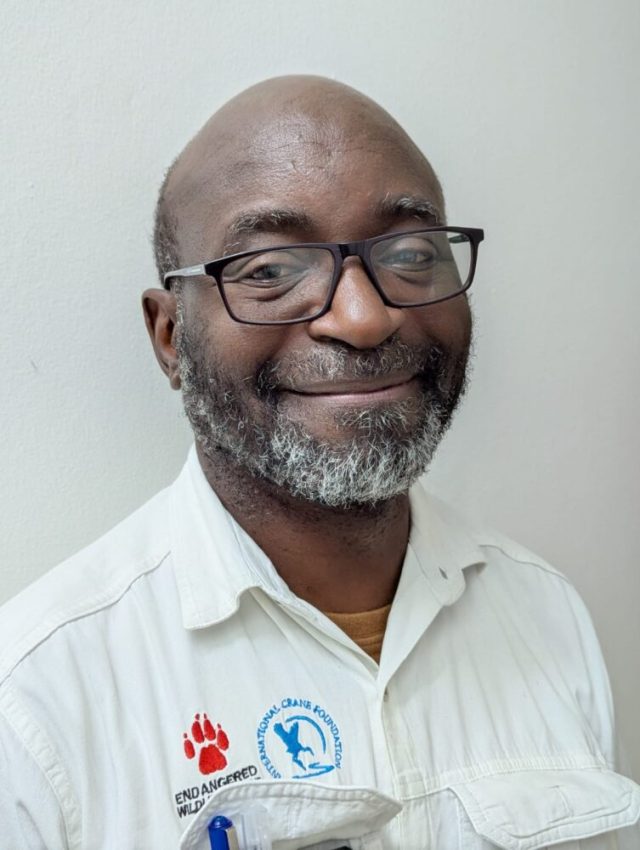
Mwape Sichilongo is the regional director of the Southern African Floodplains Region at the International Crane Foundation. He is based in Lusaka.
Over the years working with communities across Zambia’s expansive Kafue Flats, I have seen first-hand how deeply people’s lives and culture are tied to this vast wetland. Families depend on its waters for fish, grazing land for livestock and fertile soils for farming that sustain livelihoods and economies. While it is home to the endangered Wattled