In a decisive move to strengthen governance, accountability, and institutional performance, the University of Venda (UNIVEN) convened a high-level Global Internal Audit Standards (GIAS) Workshop on 17 April 2026 at the Protea Fire and Ice Hotel in Pretoria. Bringing together members of the Audit Committee, Executive Management Committee, and Senior Management Committee, the workshop marked a critical step in aligning the University’s internal audit function with evolving global standards and best practices. The initiative was informed by a recent gap analysis, which highlighted the need to deepen stakeholders’ understanding of their roles in governance and internal auditing, and to enhance the institution’s readiness to implement the new standards effectively.
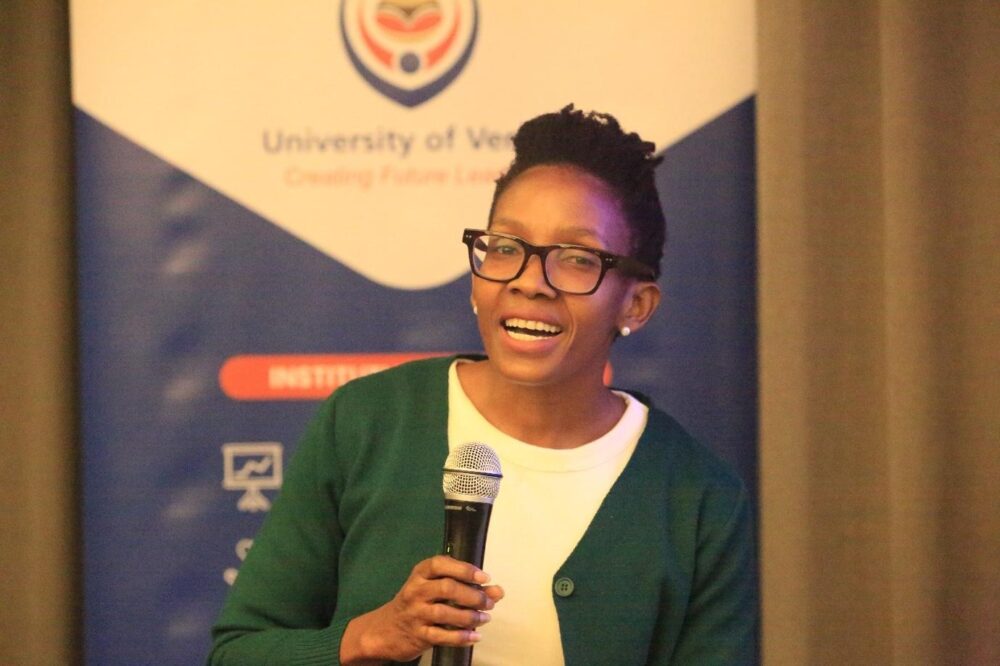
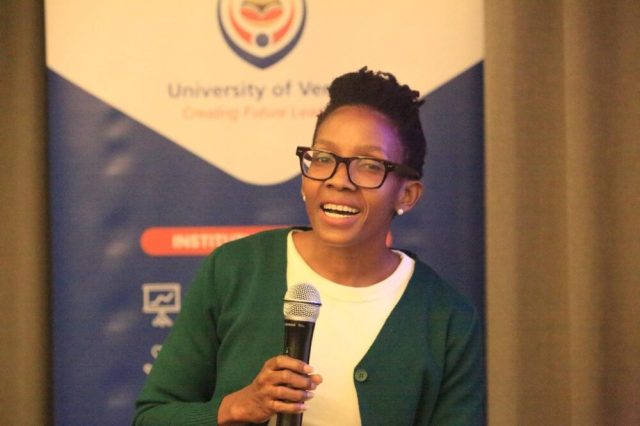
Ms Zanele Nkosi, Chairperson of the Audit Committee, in her opening remarks, highlighted the transformation of internal audit into a strategic partner, essential to the university’s sustainability and value creation. She emphasised the need for a proactive, solution-driven approach that anticipates risks and external challenges while shaping the institutional environment. She noted that strengthening this role depends on collective support, collaboration, and a shared understanding among leadership and governance structures. Commending strong workshop participation, she encouraged alignment with global audit standards and active contribution to internal audit surveys to drive continuous improvement and enhance the function’s strategic impact.
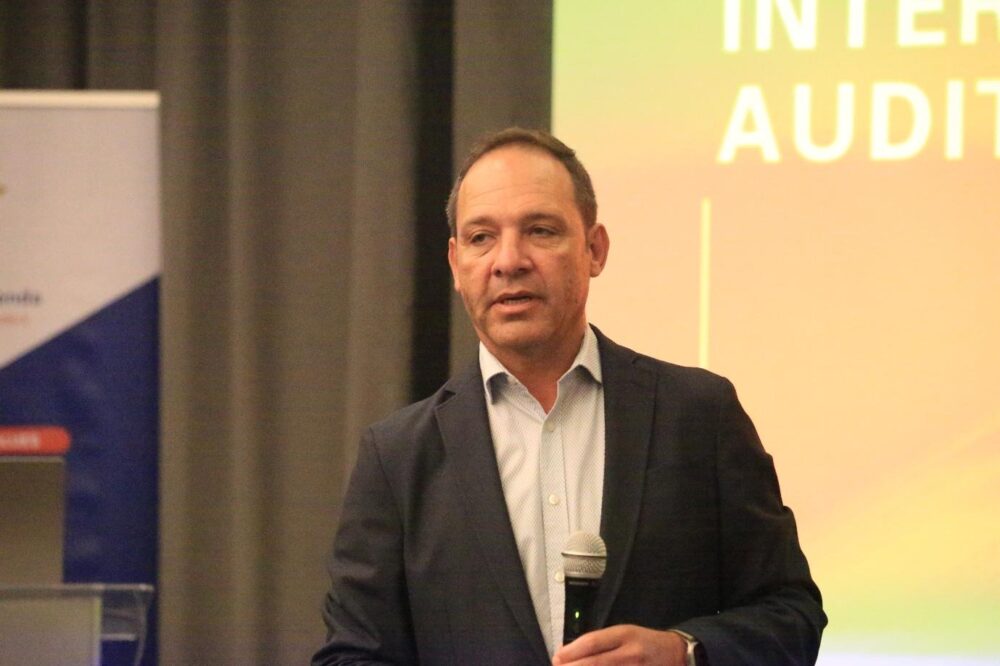
Facilitated by internal audit expert, Mr Marthin Grobler, the workshop unpacked the strategic importance of internal auditing as a cornerstone of good governance, emphasising its role not merely as a compliance function, but as a vital partner in enabling the University to create, protect, and sustain value. Participants engaged with critical concepts such as the Three Lines Model and combined assurance, exploring how gaps, overlaps, and blurred responsibilities can weaken oversight and dilute accountability. The sessions challenged leaders to reflect candidly on whether their systems deliver genuine assurance or simply the comfort of reporting, reinforcing the need for coordinated, risk-based assurance that drives informed decision-making and organisational resilience.
Central to the discussions was the introduction of the Global Internal Audit Standards, which replace the previous international framework and set a higher benchmark for internal audit effectiveness. The focus was placed on governance of the internal audit function, highlighting the importance of independence, board oversight, and strategic alignment. The workshop underscored that an effective internal audit function depends on a strong partnership between the board, senior management, and internal auditors, supported by clear mandates, adequate resources, and a culture of integrity and accountability.
The programme also contextualised internal auditing within the King V governance framework, demonstrating how assurance, risk management, compliance, and technology governance must work in an integrated manner to achieve ethical culture, performance, and legitimacy. Through practical governance touchpoints, participants examined key instruments such as the internal audit charter, audit plans, and quality assurance processes, with a focus on ensuring that internal audit remains responsive to emerging risks and organisational priorities.
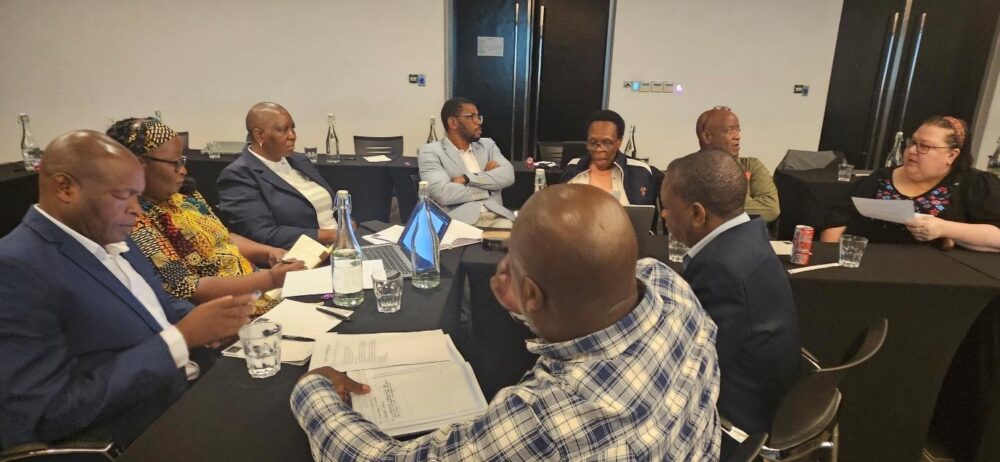
A highlight of the workshop was the interactive roundtable discussions, where participants moved from theory to practice, identifying assurance gaps, assessing audit quality, and proposing actionable improvements to strengthen oversight. These engagements reinforced a central message: effective governance is not achieved through structures alone, but through active, informed, and challenging leadership that demands accountability and drives continuous improvement.
In his closing remarks, the Vice Chancellor and Principal, Prof Bernard Nthambeleni
By the close of the session, the workshop had achieved its core objective, to build a shared understanding of roles, enhance oversight capabilities, and position UNIVEN to fully align with the Global Internal Audit Standards. More importantly, it signalled the University’s commitment to embedding a robust assurance culture that not only meets compliance requirements but actively contributes to institutional excellence and public trust.
Issued by:
Department of Marketing, Branding & Communication
University of Venda
Tel: 082 868 2218 / 082 868 1811
In a decisive move to strengthen governance, accountability, and institutional performance, the University of Venda (UNIVEN) convened a high-level Global Internal Audit Standards (GIAS) Workshop on 17 April 2026 at the Protea Fire and Ice Hotel in Pretoria