For much of its existence, the imposing theatre complex that houses the Artscape Theatre Centre stood as a contradiction: architecturally grand yet socially exclusionary, a cultural landmark shaped by the realities of apartheid South Africa.
Originally opened in 1971 as the Nico Malan Theatre, the venue was designed as a showcase for elite performance culture while much of the country remained locked out of its auditoriums. Fifty-five years later, Artscape is attempting to frame the building differently — as a space that reflects the country’s long and unfinished process of transformation.
On Tuesday, 19 May, Artscape will mark its 55th anniversary with a public programme built around the theme “A Place for All”, an idea that sits at the centre of the institution’s current identity. The celebrations begin with the unveiling of a commemorative memory wall titled Becoming Artscape – A Place Reborn, followed by an open press conference and a mass photograph on the theatre steps which members of the public have been invited to join.
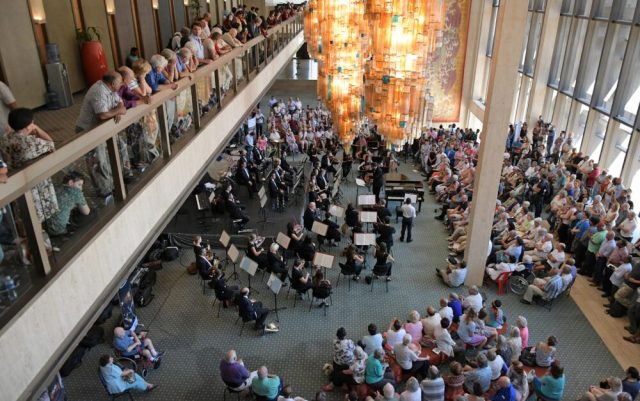
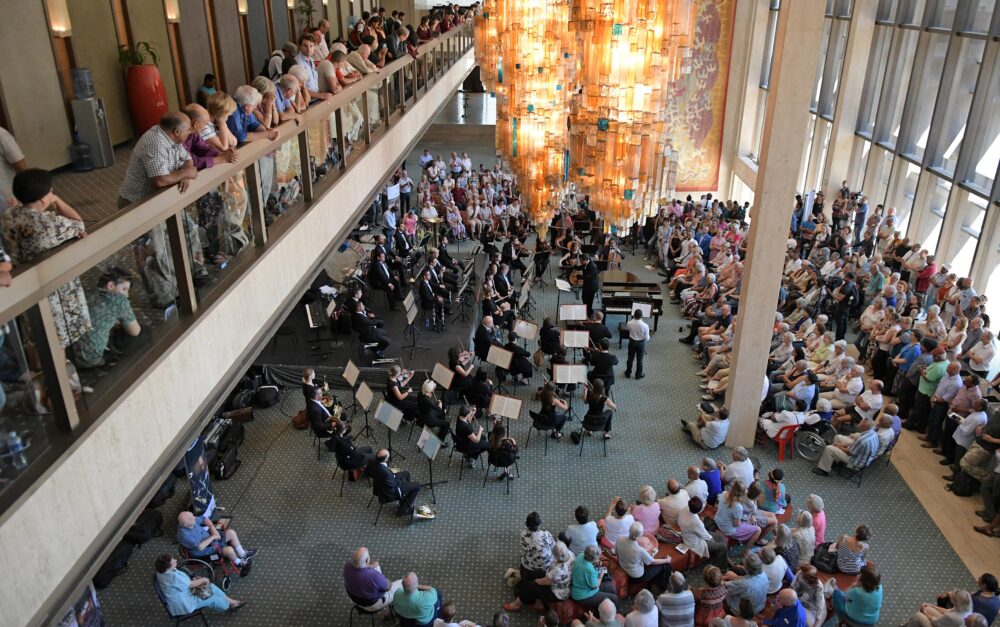
The afternoon will conclude with a free lunchtime concert featuring Western Cape Education Department school bands and opera performances, extending a format that has become one of Artscape’s most visible outreach initiatives in recent years.
The symbolism is deliberate. Where the building once functioned as a space of exclusion, the anniversary programme leans heavily on openness, participation and accessibility. It’s both a celebration of longevity and an attempt to reposition what the institution represents in the democratic era.
The tension between history and reinvention has long shaped public conversations around Artscape. During apartheid, the theatre was closely associated with segregationist cultural policy, including restrictions that prevented many black South Africans from entering the venue. Even acclaimed playwright Adam Small was unable to attend the opening of his own work Kanna hy kô hystoe there because he was not white.
The institution’s contemporary leadership has spent years trying to recast that legacy through community programming, accessibility initiatives and broader audience development. Under CEO Marlene le Roux, Artscape has increasingly positioned itself as a civic rather than purely theatrical space, expanding its focus beyond staged productions into education, outreach and skills development.
The broader orientation is visible in the anniversary programme. Alongside productions and concerts, Artscape will host free tours, public engagements and Saturday masterclasses running from May to November. The first, titled Fast Track to Opening Night, will explore the architecture and accessibility of the building, while another session led by broadcaster Africa Melane will focus on arts funding and sustainability.
A career expo scheduled for 6 June similarly shifts attention toward the labour ecosystem surrounding performance. Rather than focusing solely on actors and musicians, the initiative aims to expose young people to technical and production roles ranging from lighting and costume design to stage management and building operations.
The emphasis reflects a growing recognition in South Africa’s cultural sector that the arts cannot survive on symbolism alone. Institutions increasingly find themselves having to justify their economic and educational value alongside their artistic relevance, particularly in a climate where arts funding remains precarious.
Artscape’s anniversary messaging repeatedly returns to that point. Every production staged inside the complex depends on an infrastructure that extends far beyond performers themselves: technicians, stage crews, designers, administrators, maintenance workers and independent creatives who collectively sustain the venue’s ecosystem.
It is perhaps why the anniversary celebrations also include something notably practical: discounted tickets.
As part of the 55-year campaign, Artscape will release a limited number of R55 early-bird tickets for selected productions in the Opera House and Theatre. Available on a first-come, first-served basis through Dial-A-Seat, the initiative functions both as a symbolic gesture and an acknowledgement of a persistent affordability challenge facing live performance spaces across the country.
In recent years, theatres globally have grappled with changing audience habits, rising production costs and competition from streaming culture. In South Africa, those pressures are compounded by economic inequality and declining discretionary spending. Making theatre feel culturally open means little if audiences remain financially excluded from participating.
The year-long anniversary programme will culminate in a gala concert on 8 November directed by Basil Appollis, who also helmed Artscape’s 50th anniversary celebrations.
But the deeper significance of the milestone might lie in the institution’s continuing attempt to redefine itself. After more than half a century, Artscape remains a building burdened by history yet trying to imagine a different future for what a public cultural space in South Africa can be.
The Cape Town theatre complex celebrates its 55th anniversary by reflecting on transformation, accessibility and the evolving role of public cultural institutions