What happened
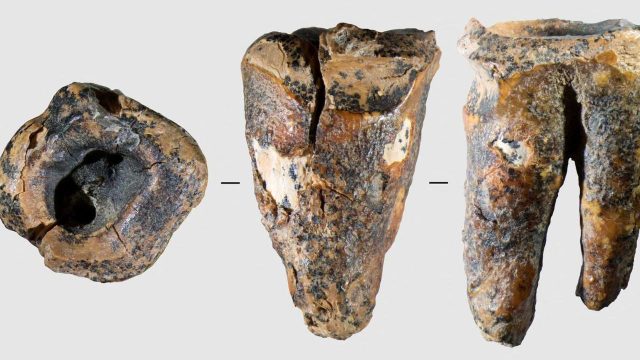
A 59,000-year-old Neanderthal tooth discovered in a cave in Siberia shows clear signs of dental surgery with a small stone drill-shaped tool, researchers reported Wednesday in the journal PLOS One. The hollowed-out molar pushes back the “known history of human dentistry” by more than 40,000 years, The Washington Post said. Previously, the “oldest evidence of dental surgery was a Homo sapiens tooth found in Italy dating to about 14,000 years ago,” Reuters said.
Who said what
The operation to scrape out the molar’s pulp would have “required diagnosing the source of pain, understanding that removing decayed tissue could bring relief, deliberately selecting an appropriate stone tool and executing precise drilling with controlled finger movements,” study senior author Ksenia Kolobova, an archaeologist with Russia’s Institute of Archaeology and Ethnography, told Reuters.
What next?
The “painful prehistoric dentistry saga” is the “latest in a string of evidence that explodes the myth of our unique cognitive and social abilities,” the Post said, and it “deepens the mystery of why we are the only species of human left on the planet.” Neanderthals “disappeared roughly 40,000 years ago,” Reuters said, though “most people today carry a small amount of their DNA due to ancient interbreeding.”
The discovery edges back the foundation of dentistry by at least 40,000 years