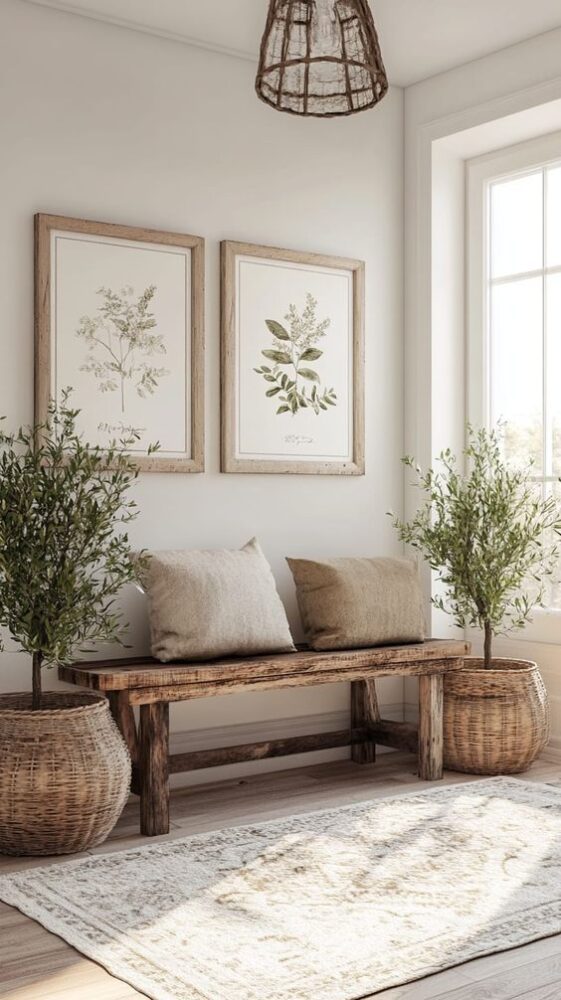
For an ordinary person like me, household furniture is purely functional — used for sitting, eating and storage. Details such as colour schemes, décor or curtains don’t hold much importance; the priority is simply having a place to live.
For interior designer Bulelwa Jordan-Tati, however, it is something deeper. Her work orchestrates the relationship between a “physical space and the people who inhabit it, balancing aesthetic appeal with structural functionality”.
Jordan-Tati is the founder of Urban Blend Interiors, a Cape Town studio, offering bespoke turnkey interior design services transforming interiors into personal retreats for their clients.
With more than a decade of experience in the property industry and a property studies honours degree from the University of Cape Town, Jordan-Tati combines technical expertise with a natural creative flair. She creates spaces that balance function, beauty and emotional resonance in pursuit of timeless aesthetics.
In-between her demanding schedule, Jordan-Tati shared with me more about her work and her views on the trends for the year such as maximalism and biophilic design.
You are known for transforming spaces from gloomy to sophisticated. Where did your love for interior design start?
My love for interior design started from a young age from watching Top Billing on SABC 3. I was drawn to the beautifully curated spaces and over time I developed a keen eye for sophisticated, modern and timeless interiors.
This passion grew over the years and led me to formally pursue and complete a diploma in interior design as well as a business in interior design course at the Interior Design Institute. This further led me to creating my own business, Urban Blend Interiors.
What does your work as an interior designer entail?
Beyond choosing colour palettes and furniture, interior designers analyse spatial requirements, draft technical plans and oversee the selection of sustainable materials and lighting to enhance a room’s atmosphere.
By managing everything from floor plans to sensory details like acoustics and texture, they transform empty or inefficient shells into cohesive, purposeful spaces that reflect a specific identity or lifestyle.
How significant is the role of interior designers in the South African creative industry?
It is significant because designers bridge the gap between raw creative talent and functional infrastructure, ensuring that spaces are not only efficient but also deeply rooted in identity and sustainability.
You mentioned that your work must have an emotional resonance with a client. Tell us more.
For an interior to be truly impactful and long lasting, it must extend beyond the visual and anchor itself in the personal narrative of those who move through it.
While modern aesthetics provide the framework and functionality ensures ease of use, emotional resonance is what transforms a structured environment into a sanctuary.
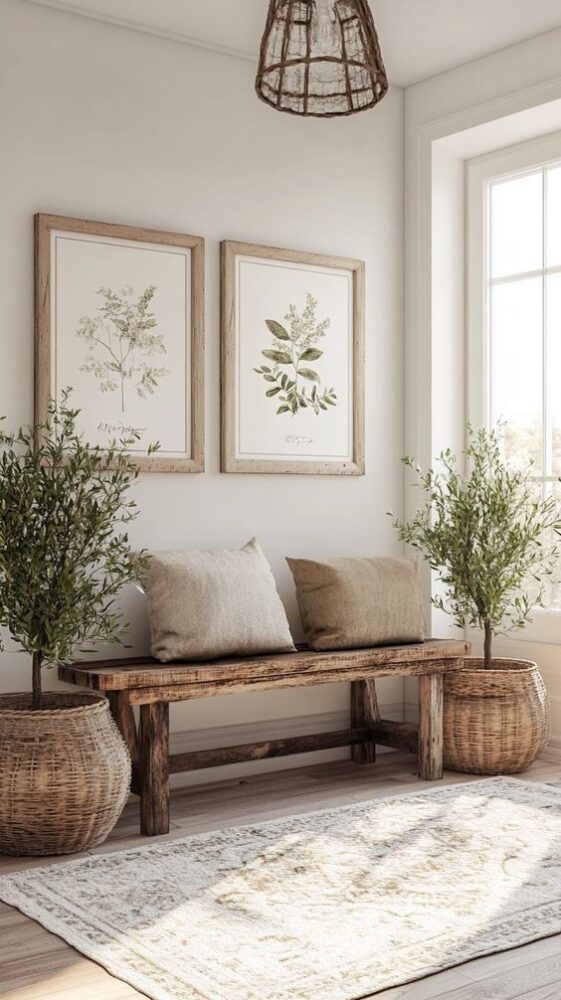
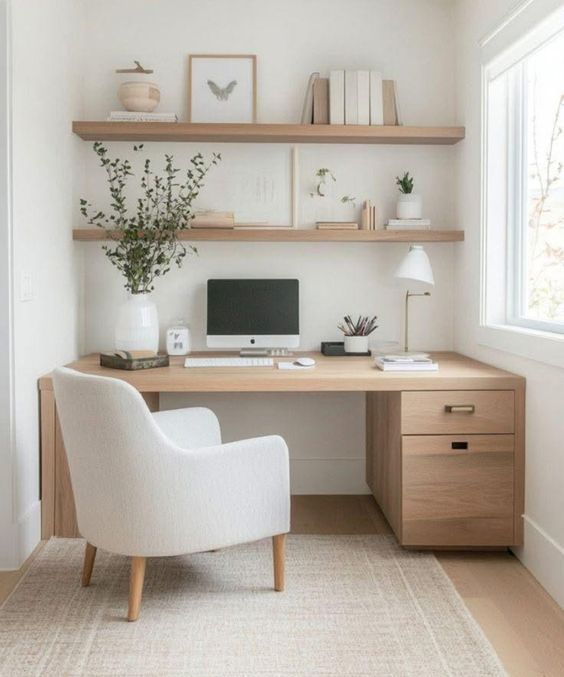
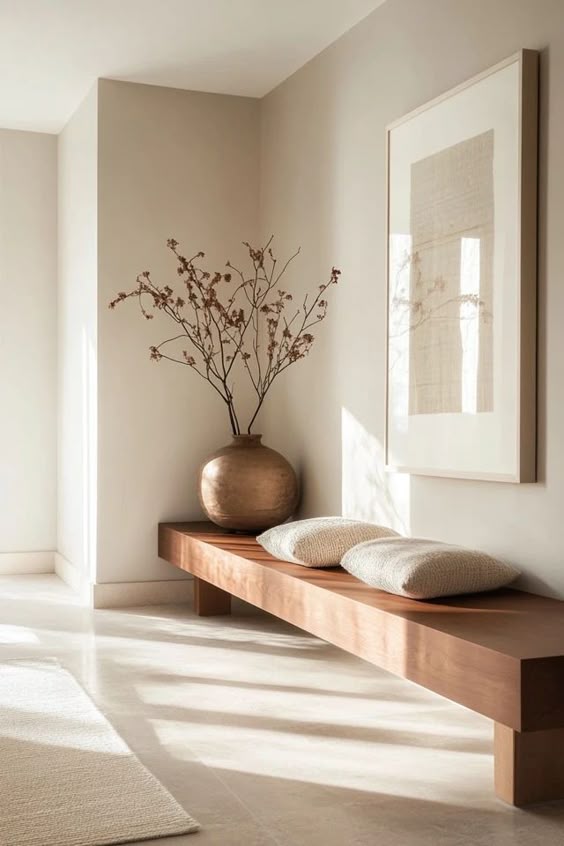
By layering tactile materials, light and thoughtful spatial flow, a designer can evoke specific feelings, such as tranquillity, belonging or inspiration, that align with a client’s identity. When a space reflects a person’s values and history rather than just a passing trend, it gains a soul, ensuring that the design remains relevant and cherished long after the initial reveal.
You also argue that interior design can be a viable employment opportunity, particularly for aspiring female creatives.
Despite the challenges of youth unemployment, interior design remains a potent and viable career path for aspiring female creatives in South Africa, specifically due to its low barrier to entry for service-based entrepreneurship. The rise of the “aesthetic renter”, especially in hubs like Cape Town and Sandton, have created a consistent demand for designers who can deliver high-impact, non-structural transformations.
By mastering digital personal branding and sustainable sourcing, young women can bypass traditional corporate gatekeepers, turning a creative skill set into a scalable business that contributes directly to the national creative economy.
Could someone be an interior designer without formal education in the specific field but leverage their skills from another field of study?
Yes, they can absolutely transition into interior design from another field by leveraging transferable skills. Many successful South African designers began in fields like business, marketing or project management, using those skills to handle the high-stakes logistical side of design, such as budget oversight and contractor management, while refining their creative eye through short courses or hands-on experience.
Your interior design forecast for this year focuses on the continued rise of maximalism and biophilic design. Tell us more about the emerging trends.
In 2026, the convergence of maximalism and biophilic design marks a decisive shift from cold, sterile minimalism toward spaces that are deeply personal and restorative. Maximalism in this era isn’t about clutter; it’s a curated eclecticism that uses rich tones, layered textures and heritage craftsmanship to tell a story of individuality and comfort.
This pairs seamlessly with the evolution of biophilic design, which has moved beyond simple indoor plants into acoustic biophilia and the use of organic, curved forms that mimic nature’s patterns.
Together, the trends prioritise sensory experience and emotional depth, creating living environments that improve mental well-being while celebrating a bold, unapologetic aesthetic richness.
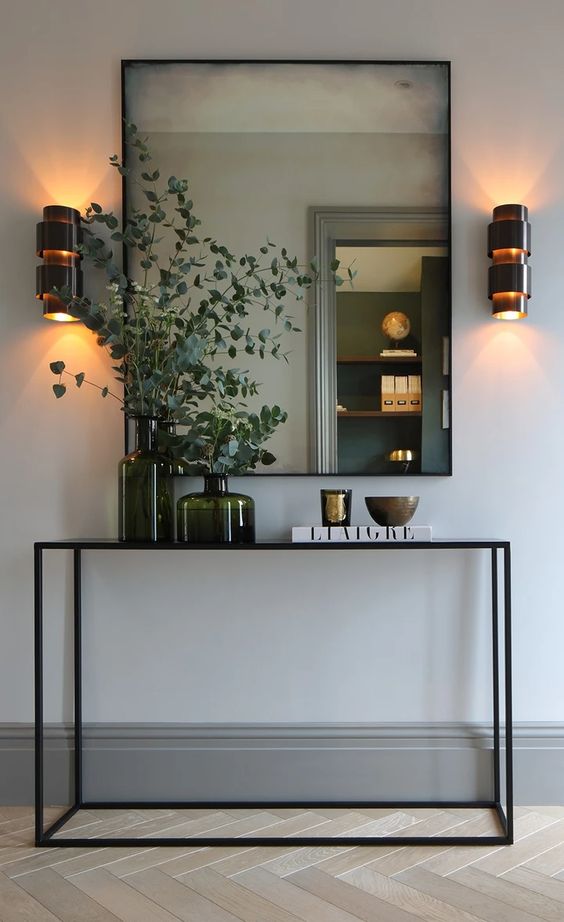
Bulelwa Jordan-Tati reflects on crafting meaningful spaces and shares her views on interior design trends for 2026