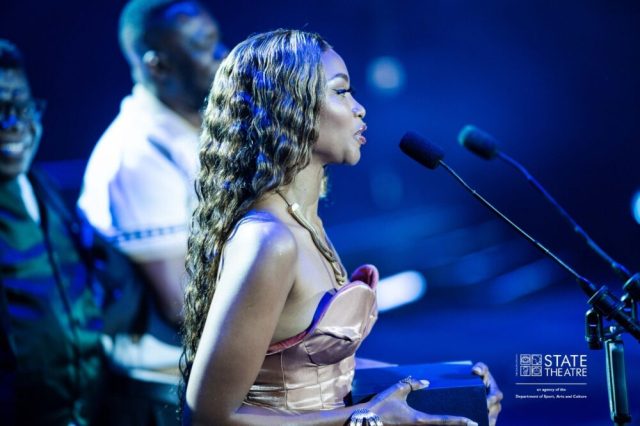
The South African State Theatre’s recent successes at the 21st Annual Naledi Theatre Awards are easy to read as a moment of celebration. But beneath the applause lies a more complex and telling narrative about the state of South African theatre, the politics of recognition, and the evolving role of institutions in shaping cultural production.
In a year where debates around visibility, inclusion and adjudication have once again surfaced within theatre circles, the State Theatre’s wins arrive not only as accolades, but as indicators of a shifting artistic ecosystem. They point to a body of work that is not only prolific, but increasingly assertive in form, content and intention.
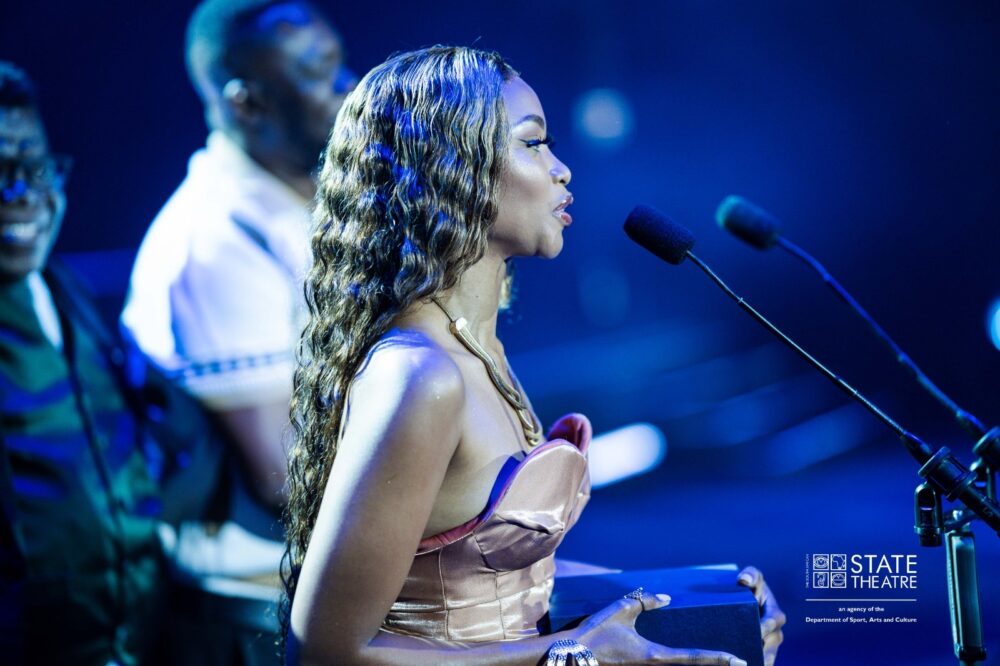
Sylvia Glasser’s award for Best Choreography in Baobab reflects a continued return to physical storytelling that resists rigid categorisation. It is a reminder that movement, particularly within African performance traditions, remains a powerful language of memory, identity and resistance. Similarly, the recognition of The Fatherland TheRevolutionary Story of Dr TT Cholo for Best Original Score, with Mackenzie Matome, Shalate Sekhabi and Zakhele Mabena at the helm, speaks to a growing emphasis on sonic dramaturgy, where music is not decorative but structural to narrative.
Performance, as always, remains central. Ignatious van Heerden’s Best Performance in a Solo Production for TransVaal Kucheza Festival underscores the potency of the singular body on stage, while Tshwarelo Selolo’s Best Lead Performance in a Play for Stevovo The Puppeteer highlights a generation of performers who are deeply attuned to both craft and context. These are not performances in isolation; they are in conversation with the socio-political realities that shape them.
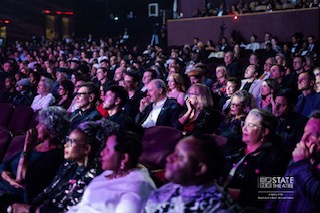
Yet, it is perhaps in the technical and experimental categories that the State Theatre’s broader vision becomes most visible. Sherldon Marema’s Best Theatre Set Design points to a commitment to visual world-building that expands the audience’s sensory engagement, while ProoiPrey’s recognition as Best Cutting Edge Production signals an openness to work that disrupts, unsettles and reimagines theatrical form.
Hlengiwe Lushaba’s win for Best Supporting Actress in a Musical Theatre Production for Music In The Air further affirms the enduring relevance of musical theatre, particularly when it is grounded in strong performance and cultural resonance.
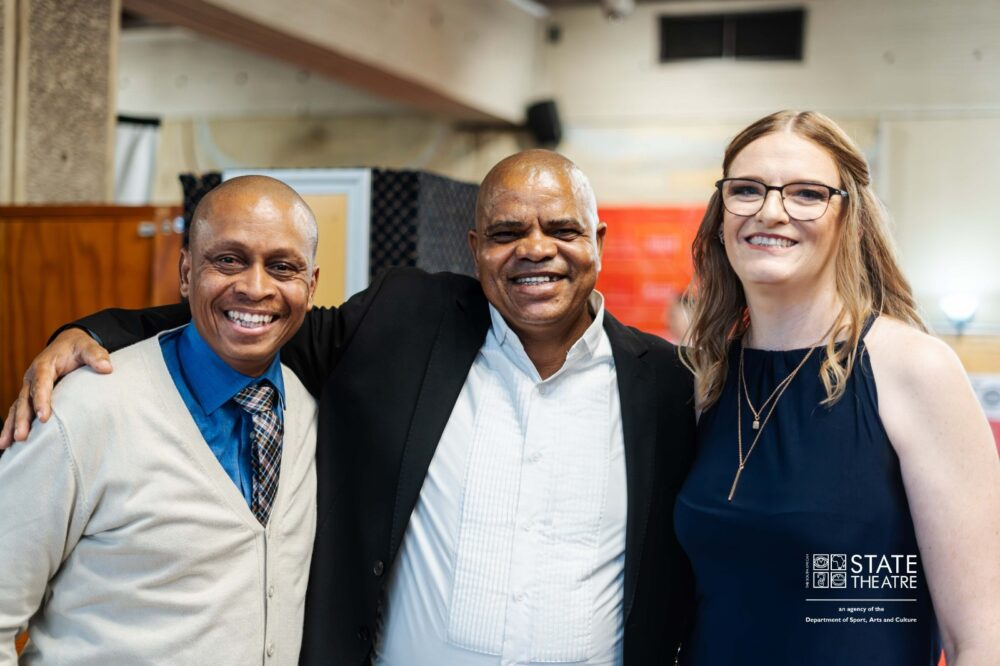
Taken together, these wins suggest more than institutional success. They reveal an ecology of collaboration between independent artists, established practitioners and producing bodies, with the State Theatre functioning as both a platform and a catalyst. In this sense, the institution’s role extends beyond hosting productions; it becomes a site where artistic risk is not only possible, but necessary.
At a time when the sustainability of the arts remains precarious, such moments of recognition matter. Not because awards define value, but because they open space for reflection. They force us to ask whose stories are being told, how they are being told, and who gets to be seen.
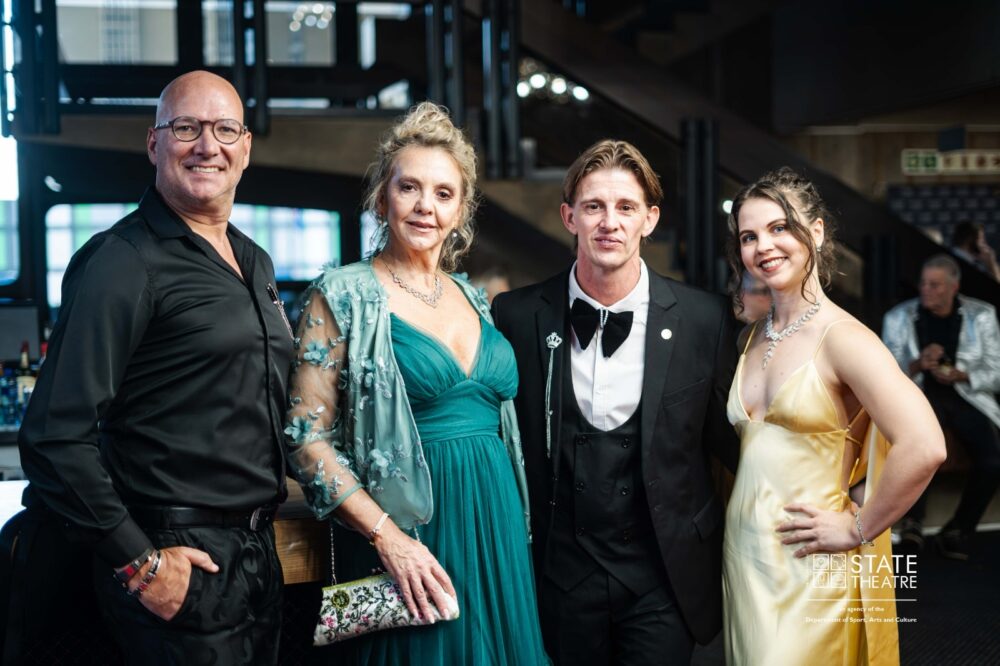
The South African State Theatre’s presence at this year’s Naledi Awards does not offer definitive answers. Instead, it invites a more urgent conversation about the future of theatre in South Africa, one that is as much about structure and access as it is about artistry.
In that sense, the real significance of these wins lies not in the trophies themselves, but in what they reveal about a sector in motion, negotiating its past, confronting its present, and imagining new possibilities for the stage.
The South African State Theatre’s recent successes at the 21st Annual Naledi Theatre Awards are easy to read as a moment of celebration. But beneath the applause lies a more complex and telling narrative about the state of South African theatre, the politics of recognition, and the evolving role of institutions in shaping cultural production.