Travel is for everyone. Or rather should be. Cities, landmarks, natural parks and other destinations across the United States are increasingly making their spaces accessible for all. Meet some of the top spots to visit, all of which have adapted to offer equal access or were designed with inclusivity top of mind.
Badlands National Park, South Dakota
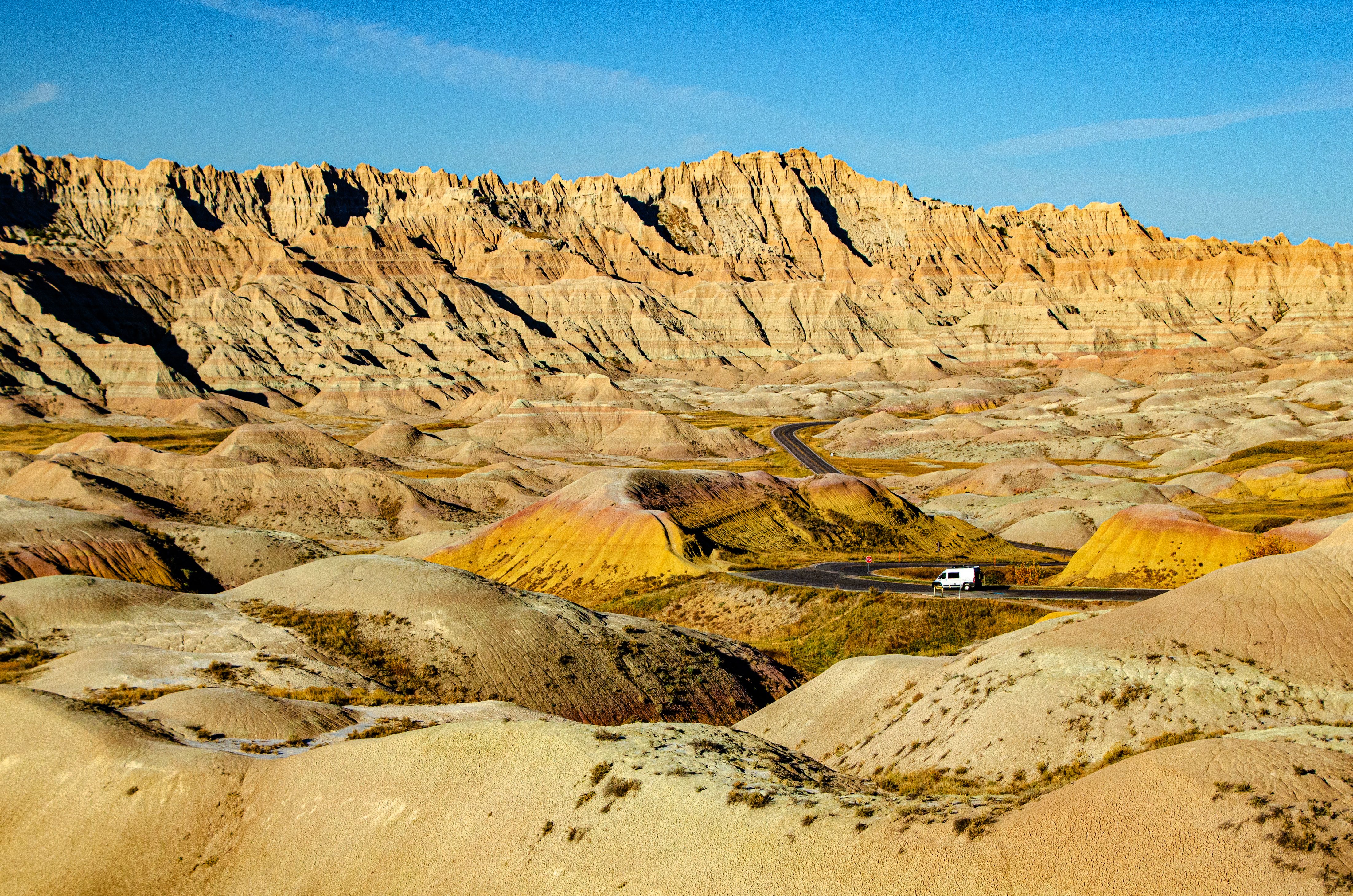
With its “dramatic” canyons and colorful rock formations, Badlands National Park offers visitors gorgeous views of “striking” landscapes, said Travel and Leisure. It also provides them with plenty of accessible spaces, starting with the Ben Reifel Visitor Center, which has ramp entrances, accessible movie theater seating and bathrooms, tactile exhibitions and captioned and audio-described versions of the park’s informational film.
Multiple viewpoints on Badlands Loop Road have accessible parking and paths. A park highlight is the Fossil Exhibit Trail, a “short, accessible” route showcasing the “unique geology and fossil history” of the Badlands, said WheelchairTraveling.com.
The National Park Service is doing its part to improve support for “neurodiverse travelers” with “social stories, sensory guides and staff who can respond to families’ needs by suggesting calm spots or less-crowded trails,” said Afar. U.S. citizens and residents with medically documented permanent disabilities can also receive a gratis America the Beautiful Access Pass, which gives them lifetime free entrance to recreation areas managed by the National Park Service, Forest Service, U.S. Fish and Wildlife Service, Bureau of Reclamation, Bureau of Land Management and U.S. Army Corps of Engineers.
Boston
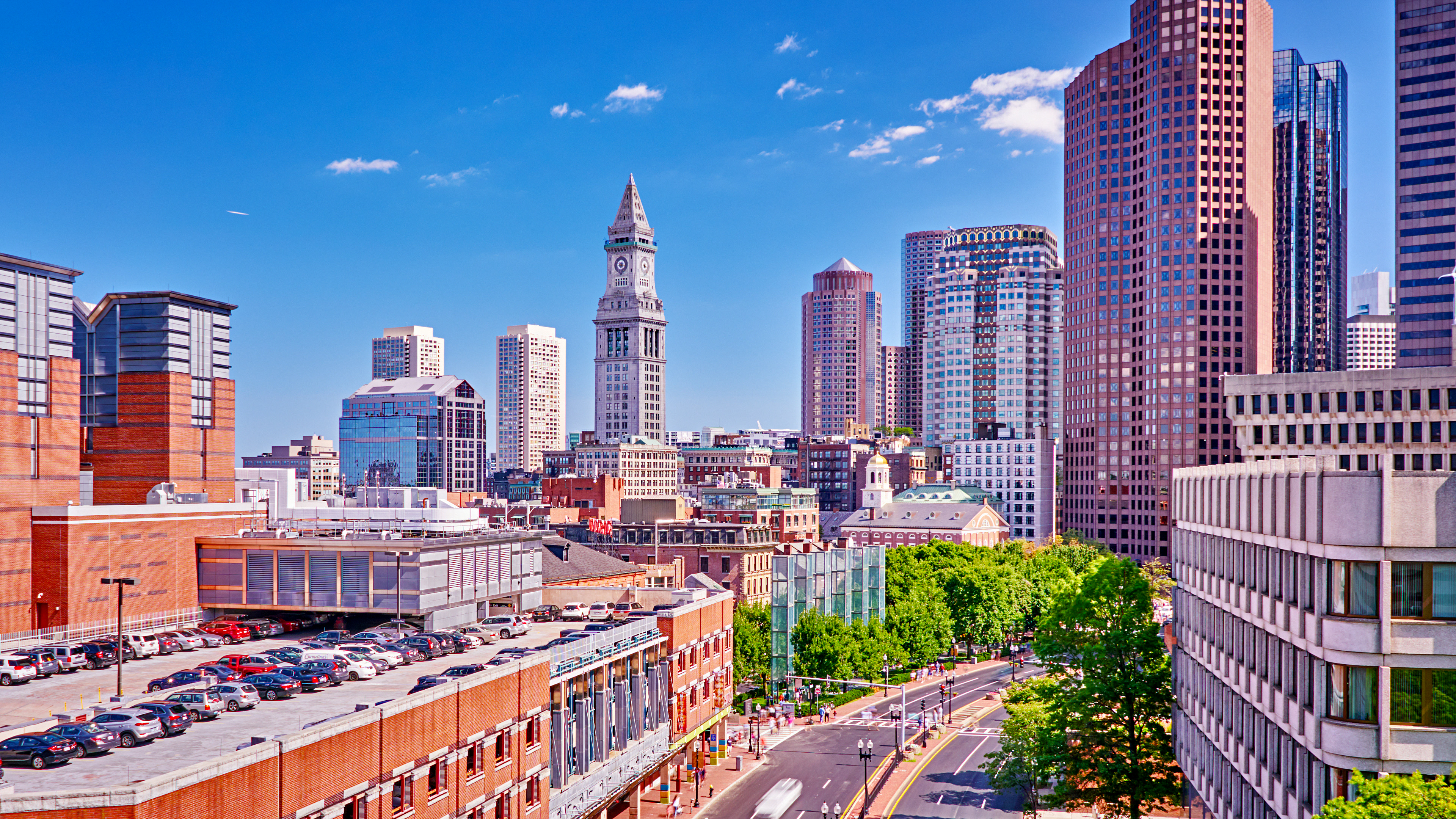
This is a historic center, but when it comes to accessibility, Boston is thoroughly modern. Over the last several years, the city has worked with advocates to make attractions easier to visit and compile lists of accessible hotels for quick reference. Boston’s subway and trolley system is inching closer to becoming fully accessible and now has low-floor buses in its fleet and additional elevators being installed in stations. Even The Freedom Trail, featuring American Revolution sites, is accessible; it is recommended visitors use a power wheelchair to go over the cobbled streets and up hills.
During a recent visit to Boston, travel blogger Cory Lee from Curbfree with Cory Lee was “pleasantly surprised” by how effortless it was to get around in his wheelchair. From the top of the View Boston observation deck, Lee enjoyed “gorgeous” views of the city, and at the Boston Tea Party Ships and Museum he was “impressed” by the “step-free entry and accessible pathways throughout,” plus the “interactive experience” of throwing faux tea crates overboard. His “spacious” suite at the waterfront Boston Harbor hotel had meaningful touches, like a bed with a removable box frame, in case a guest needed it lowered. This kind of “flexibility is rare,” Lee said, and “incredibly helpful for wheelchair users with different transfer needs.”
Moonlight State Beach, Encinitas, California
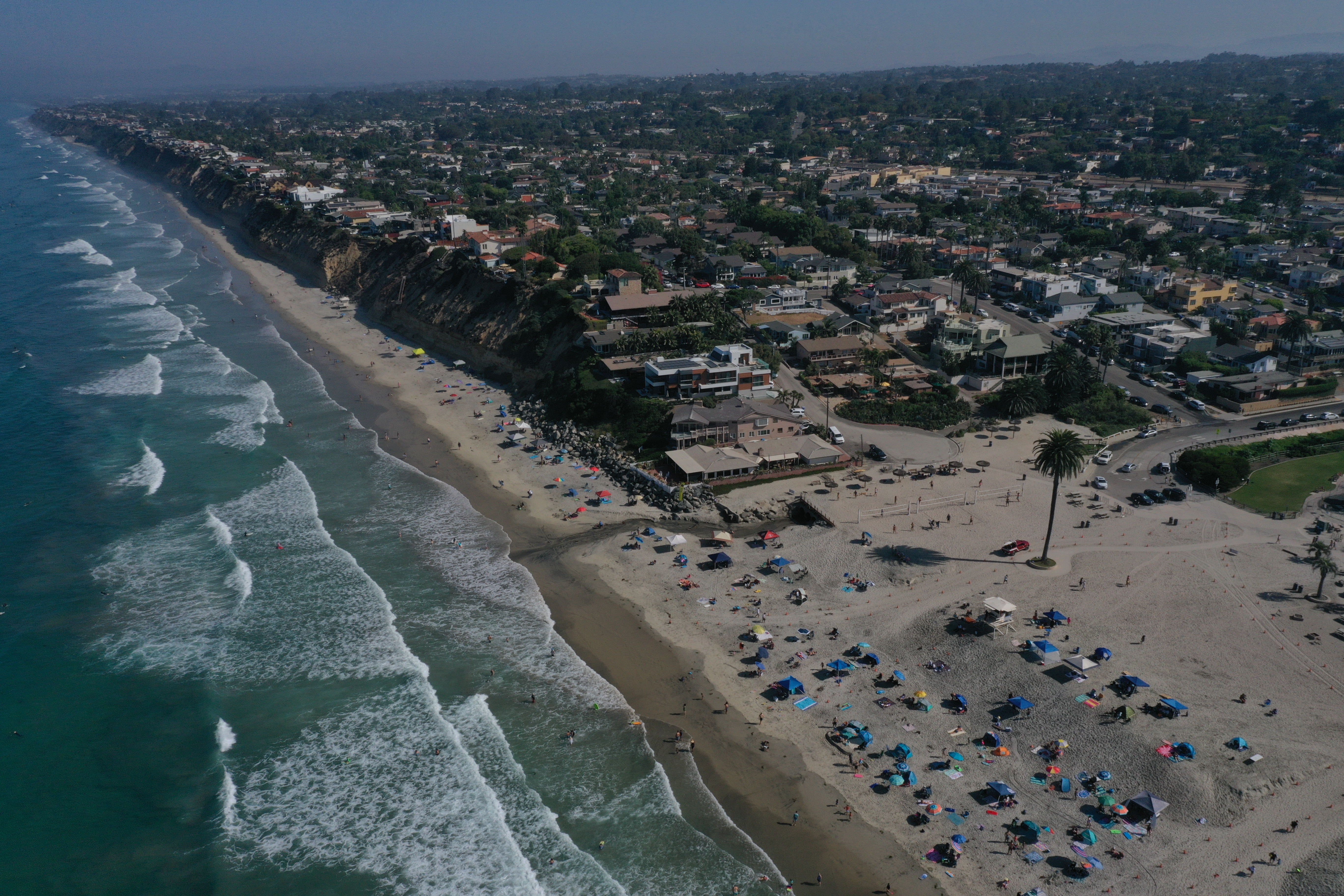
This beach north of San Diego is “one of the country’s most accessible stretches of sand,” said Travel and Leisure. An access mat is available throughout the year, allowing wheelchair and scooter users to cross the sand, and visitors can also borrow beach wheelchairs on a first-come, first-served basis. These chairs have large wheels that keep them from sinking and are not meant to go into the water.
Morgan’s Wonderland and Morgan’s Inspiration Island, San Antonio, Texas
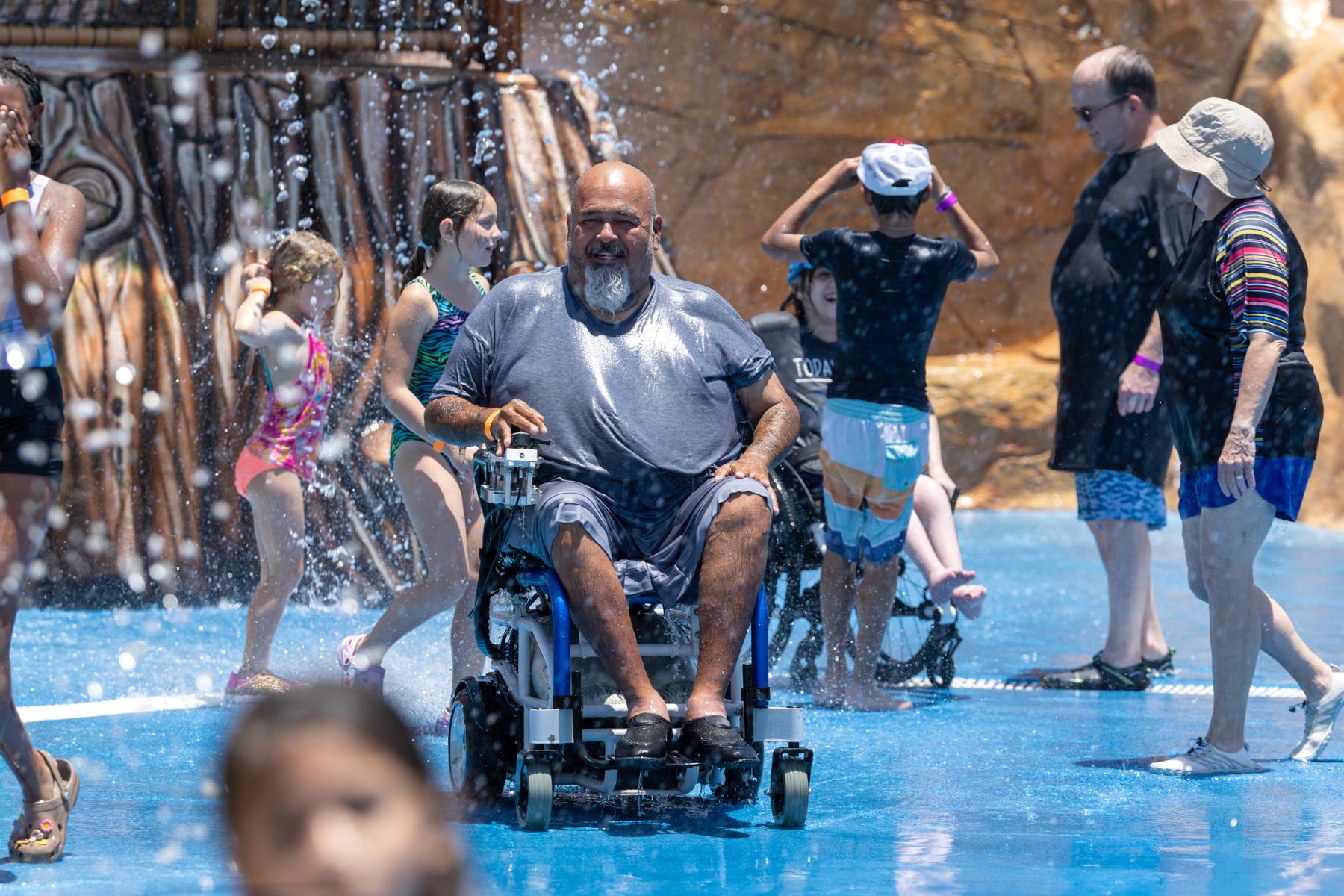
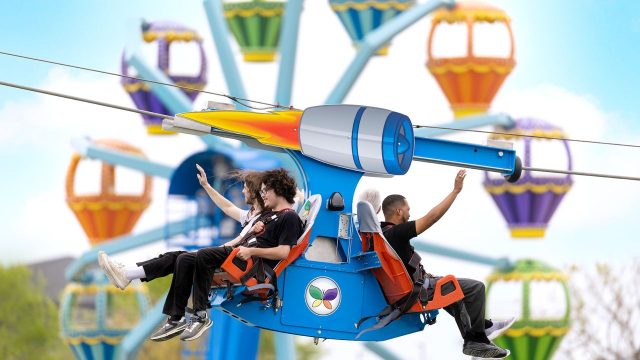
Every aspect of Morgan’s Wonderland, the world’s first “ultra-accessible” theme park, was thoughtfully planned to “ensure no one feels left out,” said Southern Living. The 25 attractions and shaded playgrounds can be enjoyed by “guests of all ages and abilities,” with rides like the wheelchair-accessible Joy’s Happy Swing and Rocket’s Sky Flight Adventure, a four-seater zip line over the park’s lake. On a hot summer day, plan to spend time at Morgan’s Inspiration Island, a water park with elaborately themed splash pads, a river boat ride and waterproof wheelchairs. Tickets for both parks are free for individuals with disabilities or special needs.
Oregon
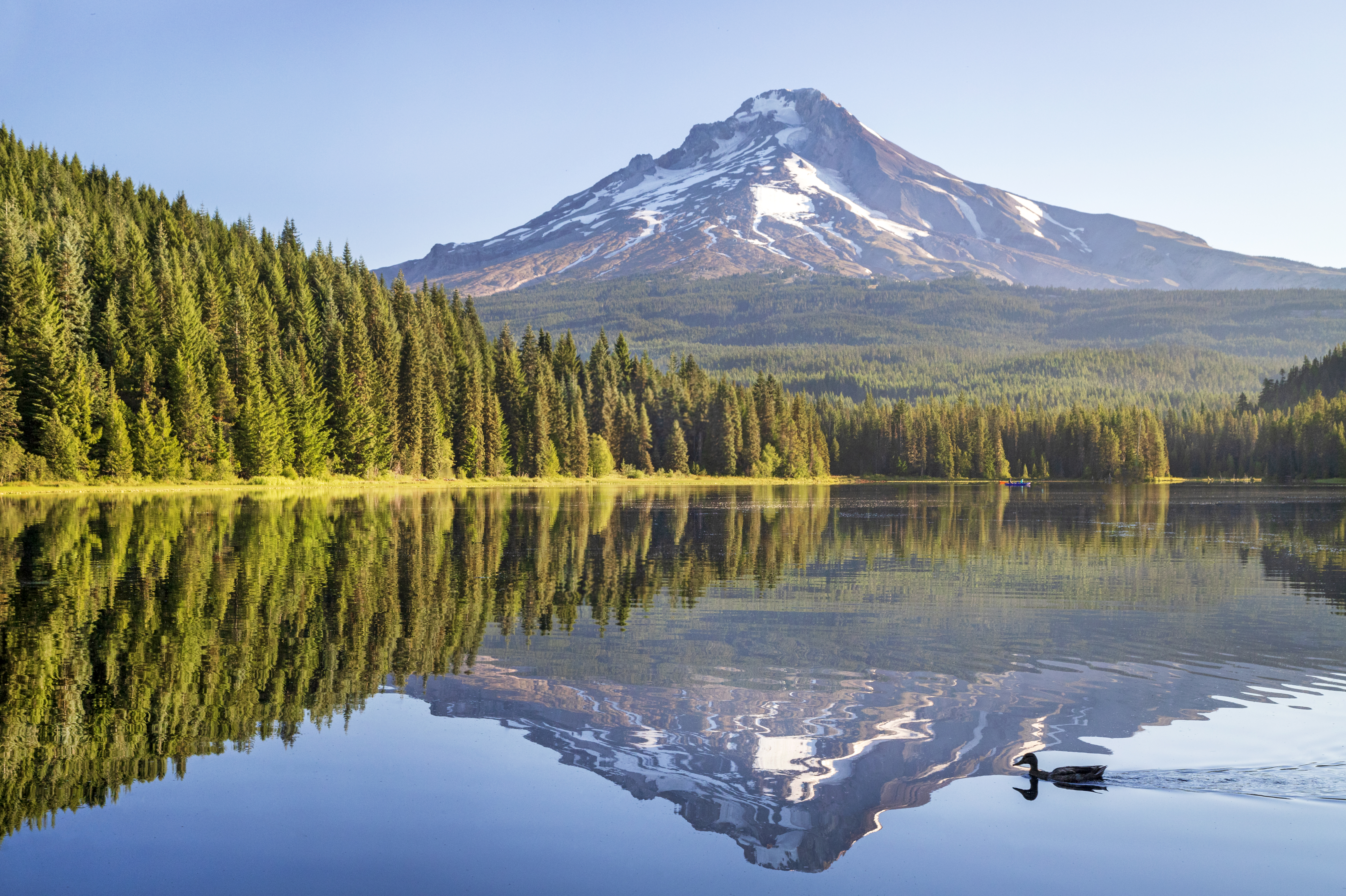
As the first state to be named “accessibility verified” by Wheel the World, Oregon leads the way in letting travelers know ahead of their journeys about accessible hotels, activities, attractions and transportation. Wheel the World collected “over 200 specific data points” at each location, said The Oregonian, such as “bed height, bathroom features and doorway measurements” at hotels. Wheel the World then posts these details on its online platform, acting as an “Expedia for people with disabilities,” said Joy Burns, the communication and partnership manager for the company.
Travel Oregon also launched a statewide grants program to help “fund projects that make travel experiences more inclusive,” like the installation of more than 600 feet of nonslip wheelchair-accessible mats on pathways through Kiyokawa Family Orchards in Mount Hood. These make it easier to navigate the orchard and its parking lot, and also benefit visitors with other mobility aids and baby strollers.
Smithsonian Museums, Washington, D.C.
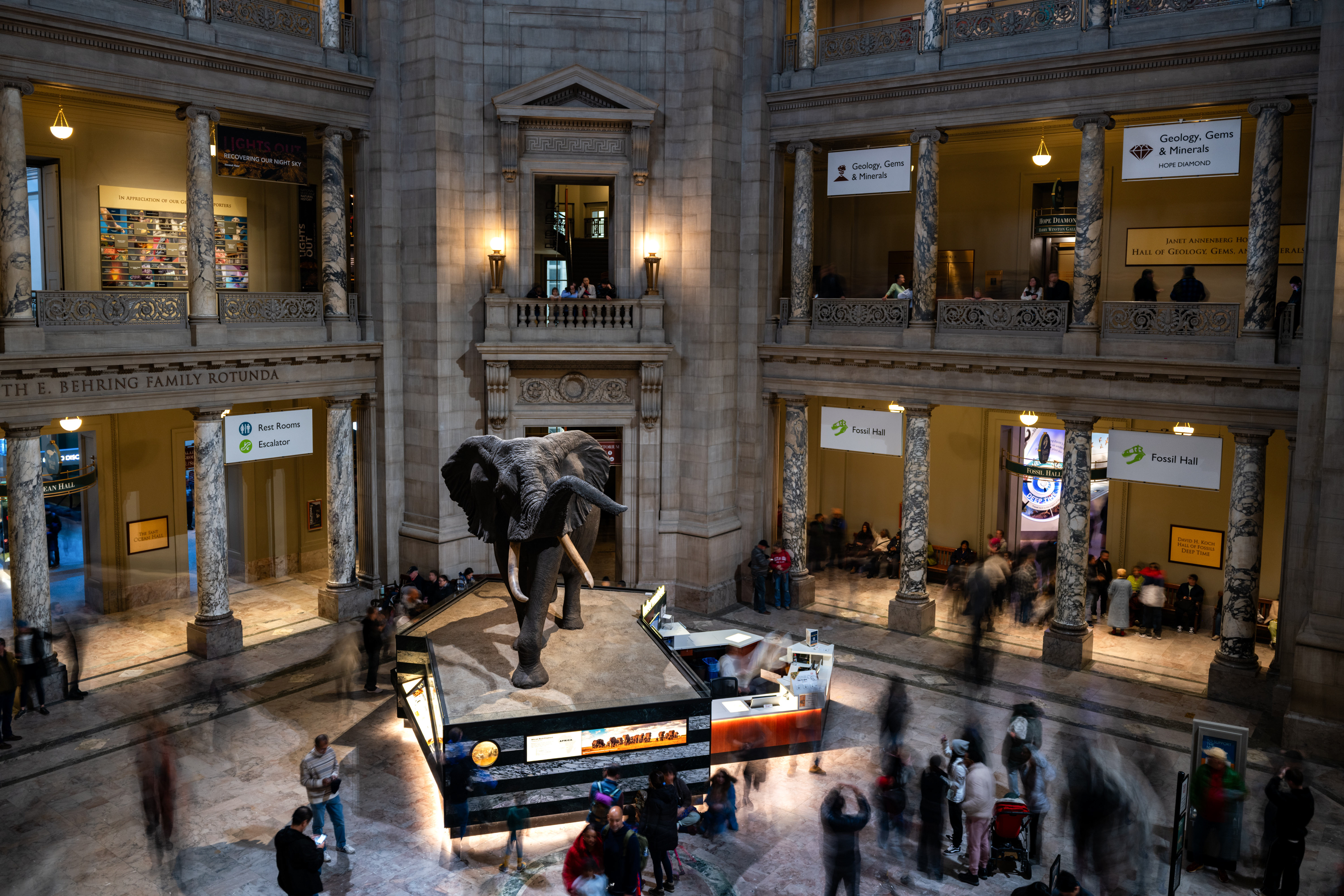
At the Smithsonian’s 21 museums, “accessible options and resources are front and center,” said Smithsonian Magazine, from “wheelchair accessible exhibitions and entrances” to “open captioning on videos and media experiences.” The National Museum of Natural History, for example, offers visual description tours that are “essential” for helping people who are blind or have low vision navigate areas “teeming with objects and specimens.” These narrations are extremely detailed, not only describing the objects but also the “levels of light in the halls” and “murals lining the display cases.”
During Morning at the Museum events, the facilities open early for neurodivergent kids, teens, young adults and their families. This gives attendees “access to quiet and darkened spaces” and the chance to participate in educator-developed sensory-based activities. Advance registration is required.
All are welcome here