Henry Haselock is a qualified expedition leader, adventurer and fellow of the Royal Geographical Society. He has led many expeditions across the world and completed a world-first crossing on foot of the Chalbi desert in Kenya.
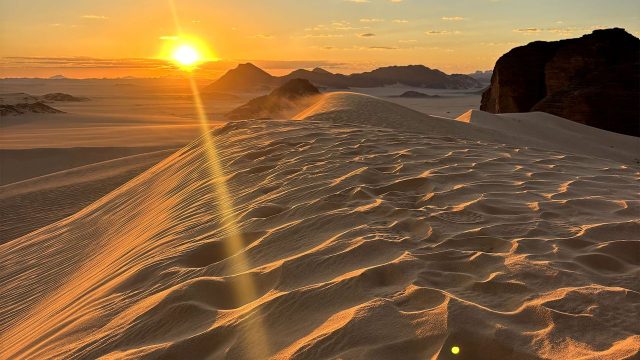
There’s more than one way to tackle the Sahara. For some, a day trip by minibus and camel is more than enough desert – but the true adventurer will want to seek out the untrodden sands of southern Algeria.
I found a real spirit of romance here. Algeria offered a place of solitude and calm, an escape from the noise and stress of urban life for the two weeks I spent trekking with the Tuareg, the true custodians of the desert.
Getting to know the Tuareg
The Tuareg people are an ancient nomadic group found across northern Africa. For centuries they have followed a traditional way of life, plying trade routes through Algeria, Mali, Libya, Niger and beyond.
Their ability to survive in such extreme conditions is testament to their knowledge of the desert, which has been handed down through generations. Traditionally, they were trans-Saharan merchants, using caravans of camels to transport all sorts of goods, from salt and spices to gold. Their journeys could last weeks, sometimes months, as they passed through remote parts of the desert.
Travelling this network of routes gave the Tuareg a unique understanding of the water sources that allowed them to thrive, ensuring their survival to this day. You can still find some of their descendants living a nomadic life, upholding their cultural traditions – and crossing the desert to find new grazing for their livestock.
The role of tourism
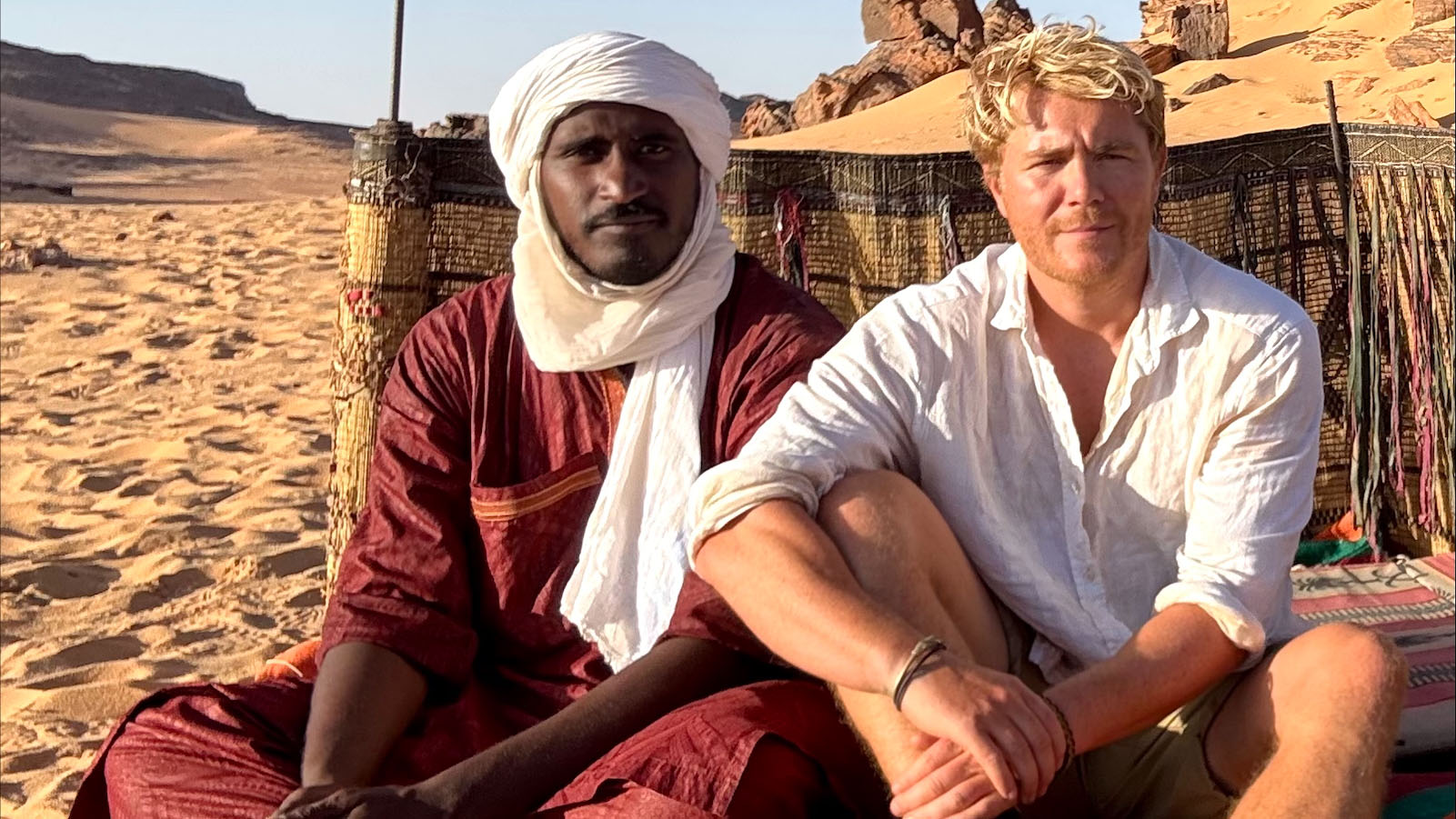
For a traveller looking for a more adventurous experience, spending time with the Tuareg offers a truly unique experience. There is no better way of seeing the desert than by learning about their traditions, skills and history. Guests are warmly welcomed by Tuareg communities, and by visiting them you will be supporting community-based tourism that contributes directly to the local people.
They certainly need your support. The Tuareg are currently facing challenges due to climate change and political instability in some areas, which has cut the income they receive from tourism. Desertification, and the resulting loss of grazing land, has led many of them to switch to a semi-nomadic lifestyle – while holding on to as much of their heritage as they can – or even to move from the desert into towns.
The trekking experience
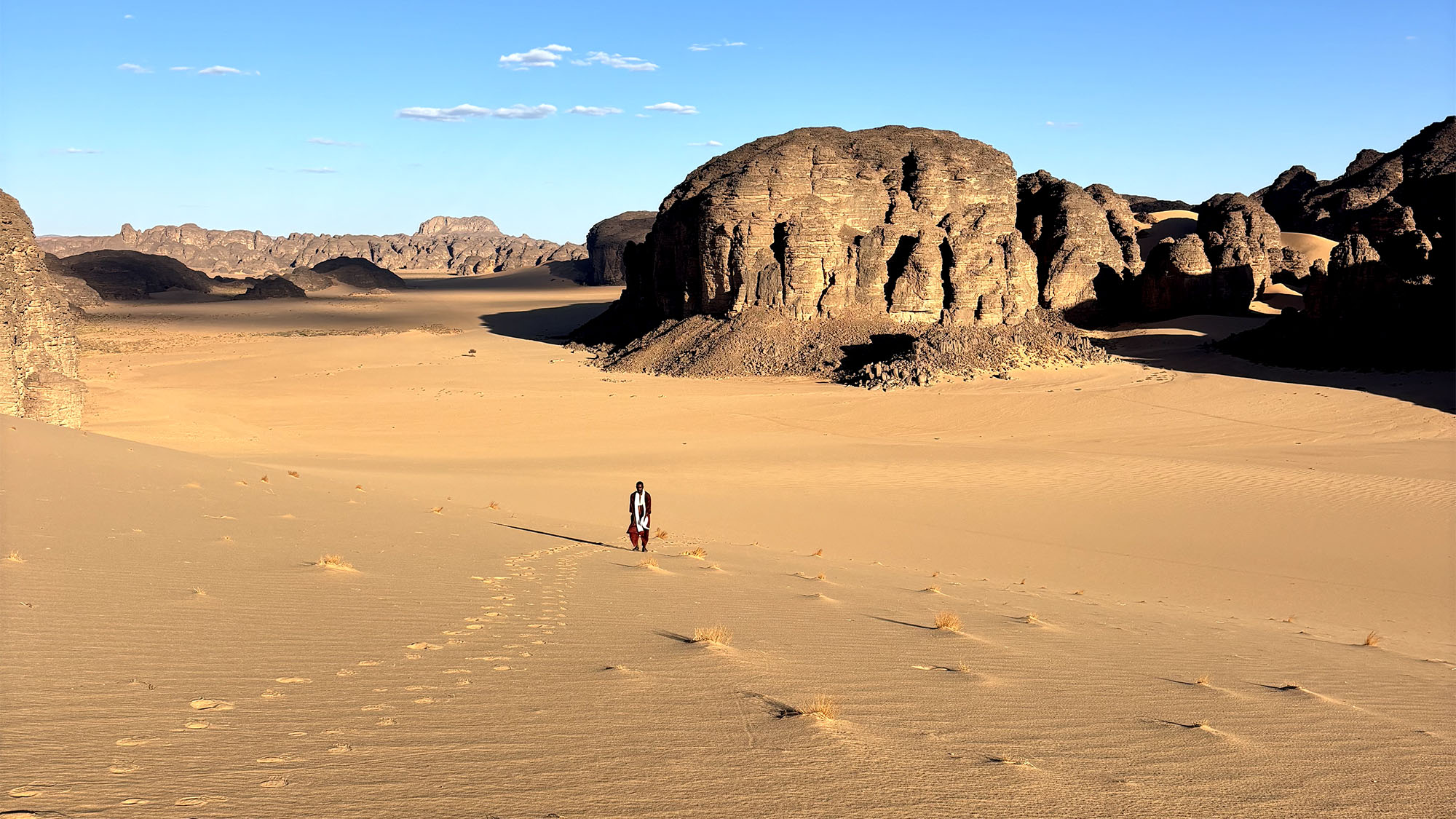
The best way to see the Sahara is on foot, which delivers a sense of connection to the desert that you wouldn’t get in a 4×4. It is also more sustainable, and the slower pace provides more opportunity for getting to know the local culture, food and people. It does, however, require a good level of fitness. The terrain can be a mix of high dunes, loose rock and deep sand, all of which have to be crossed in the Saharan heat.
My trek started from a small Saharan town called Djanet, from which we headed north, covering 10 to 13 miles a day for 12 days, during which we were completely cut off from civilisation. Each day started with a hearty breakfast to set us up for a day’s hiking through unbelievable scenery, accompanied by birds and occasionally snakes. Later, after sharing food, tea and stories around a campfire, we would hear the sound of wolves howling.
The most extraordinary thing I came across was the rock art, carved and painted into the stone thousands of years ago, depicting the animals that wandered this land when it was green and rich with vegetation.
Board and lodging
You can stay in tents, but I preferred to sleep outside like the Tuareg, gazing up at the night sky. The temperature drops sharply in the evening, but as long as you have a good sleeping bag it’s not a problem. The Tuareg will also provide thick mattresses for sleeping outside.
I ate well, with lots of fresh vegetables and salad. The bread is traditionally made, with dough mixed by hand, then heated by coals from the fire, buried in sand, covered with more coals and left for 30 minutes. It’s fresh and very tasty. You will occasionally have meat – some chicken and goat – which is grilled on the campfire.
Logistics
The best time to be here is between September and January, when the temperatures are not at their highest. It is essential to have a good team with you when you embark on a desert adventure like this. There are a few UK-based adventure tour operators that can source trusted fixers to organise the expedition and select the right guides, cooks and translators. For most of the trip you will be many miles away from towns, so you will need desert-ready clothing, equipment and medical supplies.
Spending two weeks sleeping under the stars in southern Algeria is a perfect introduction to the Tuareg way of life