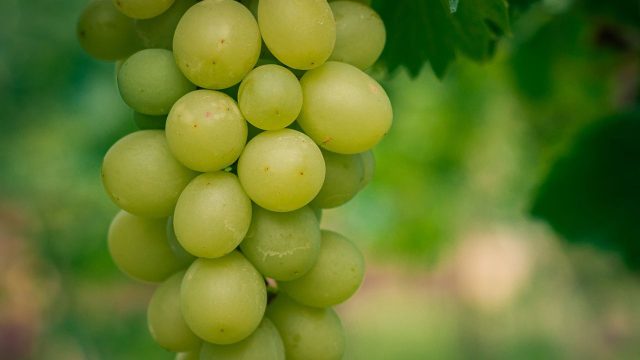
Bolivia is not well known for its wines – but cutting deep into the arid plateau in the country’s southwest are narrow fertile valleys where vineyards have flourished for centuries. This region must have made the first conquistadors feel quite “homesick”, said Stanley Stewart in Condé Nast Traveller, so strongly does it remind one of Andalusia.
The main towns, Tarija and Tupiza, have “sleepy” old squares and a distinct air of the Wild West (indeed, Butch Cassidy and the Sundance Kid fled here in around 1906, and died near Tupiza “in a hail of bullets”). There are “atmospheric estancias” where you can stay, and beautiful wineries offering tours and tastings. Some also have good restaurants. Among the oldest vineyards is San Pedro, founded in the 16th century. Its “gracious” whitewashed buildings are set around cobbled courtyards where bougainvillea tumbles and fountains trickle. Production is now focused on its famous singani, a white grape brandy that is the Bolivian national drink.
Also wonderful is the Tierra Roja estate, which was founded in 2008 and supplies wines to Central, a Lima restaurant named the world’s best in 2023. But it was San Francisco de la Horca that really captured my heart – there’s something about the weathered old equipment there, and the “big Burgundy-style red” I drank in its courtyard garden, a “sylvan paradise” that was alive with birdsong. While in Bolivia, I also visited Potosí, a city set beside the Cerro Rico, a mountain that provided vast amounts of silver to the Spanish empire. You can still enter its mines, where millions of men have died over the centuries. (For protection, people offer llama blood, coca leaves and singani to El Tío – The Uncle – a demonic figurine with an erect phallus.) And I finished my journey at an “elegant” new lodge, Jirira, beside the Salar de Uyuni, a salt flat like “a vast and peaceful nothingness”, with shallow waters that mirror the local flamingos, the mountains and the stars.
The writer travelled with Dehouche
Strongly reminiscent of Andalusia, these vineyards cut deep into the country’s southwest