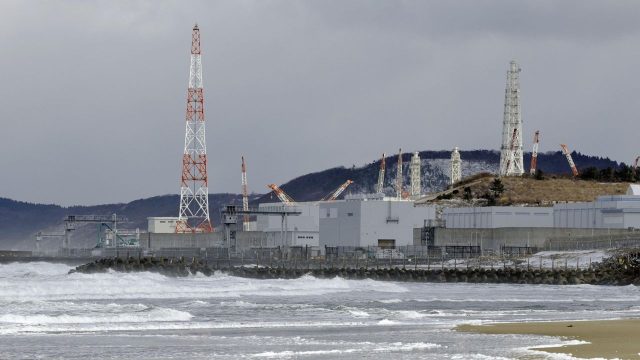
The 2011 Fukushima meltdown was a nightmare that all but shut down Japan’s nuclear power industry. But things change, and the country has now restarted the world’s largest nuclear power plant over the objections of neighbors who fear another calamity.
Restarting reactor No. 6 at Kashiwazaki-Kariwa nuclear power plant northwest of Tokyo is a “milestone in Japan’s slow return to nuclear energy,” said The Guardian. Japan’s government wants to reduce the country’s carbon emissions and increase its energy security without relying on fossil fuels. But many of the 420,000 people living near the plant say the restart is “fraught with danger.” That makes the move a “human rights issue,” said resident Ryusuke Yoshida. Authorities refused calls to hold a referendum on the plant’s future, said The Guardian, but polls show “clear opposition to putting the reactor back online.”
Japan shut down all 54 of the country’s reactors following the Fukushima incident, and has since restarted 14 of the 33 that remain operable, said CNN. The Kashiwazaki-Kariwa restart, though, is seen as a “watershed moment in the country’s return to nuclear energy,” said Reuters. Tokyo Electric Power Co., which also operated the Fukushima plant, said it has a host of new safety measures. The company has learned the lessons of the earlier disaster, officials say. “We remain firmly committed to never repeating such an accident,” a TEPCO spokesperson said.
What did the commentators say?
“Japan’s big nuclear restart is an economic inevitability,” said Yuriy Humber at Nikkei Asia. Restarting reactors can “help lower electricity bills” in a country still experiencing high inflation. A dormant nuclear plant, meanwhile, “still costs tens of millions of dollars a year to maintain,” while an operating plant can bring hundreds of millions in profit. Shifting dependence to liquid natural gas and coal would be “neither cheap nor sustainable.” All of this has long been true, but the trauma of Fukushima forced officials to take a path that is “slow, deliberate and shaped as much by psychology as by policy.”
The nuclear power industry in Japan “cannot simply be switched on again,” said Tadahiro Katsuta at The Bulletin of Atomic Scientists. Reactors once supplied 29% of the country’s electricity, but that number has dipped to 5% in the years since Fukushima. Renewable energy has started to fill the gap, and is expected to fulfill 40% or more of Japan’s energy needs by 2040. The bottom line, though, is that the Fukushima incident demonstrated the “claimed inherent safety of nuclear power is a myth.”
What next?
The return of Kashiwazaki-Kariwa’s reactor was delayed by a day. The restart was “originally scheduled to resume on Tuesday,” said Bloomberg, but was put on hold “following an issue with an alarm.” The issue was not serious, a company spokesperson said to The Japan Times, but safety demands that TEPCO “respond sincerely whenever issues are identified.” The reactor went online on Wednesday morning.
Balancing safety fears against energy needs