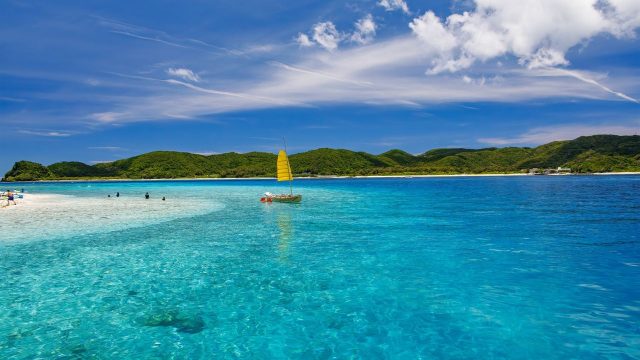
Far from the neon lights of Tokyo, temples and shrines of Kyoto and the Osaka street food scene is Okinawa, Japan’s southernmost — and westernmost — prefecture. Here, expect a slower pace, where the hardest decision you’ll make is which beach to visit.
What to know about Okinawa
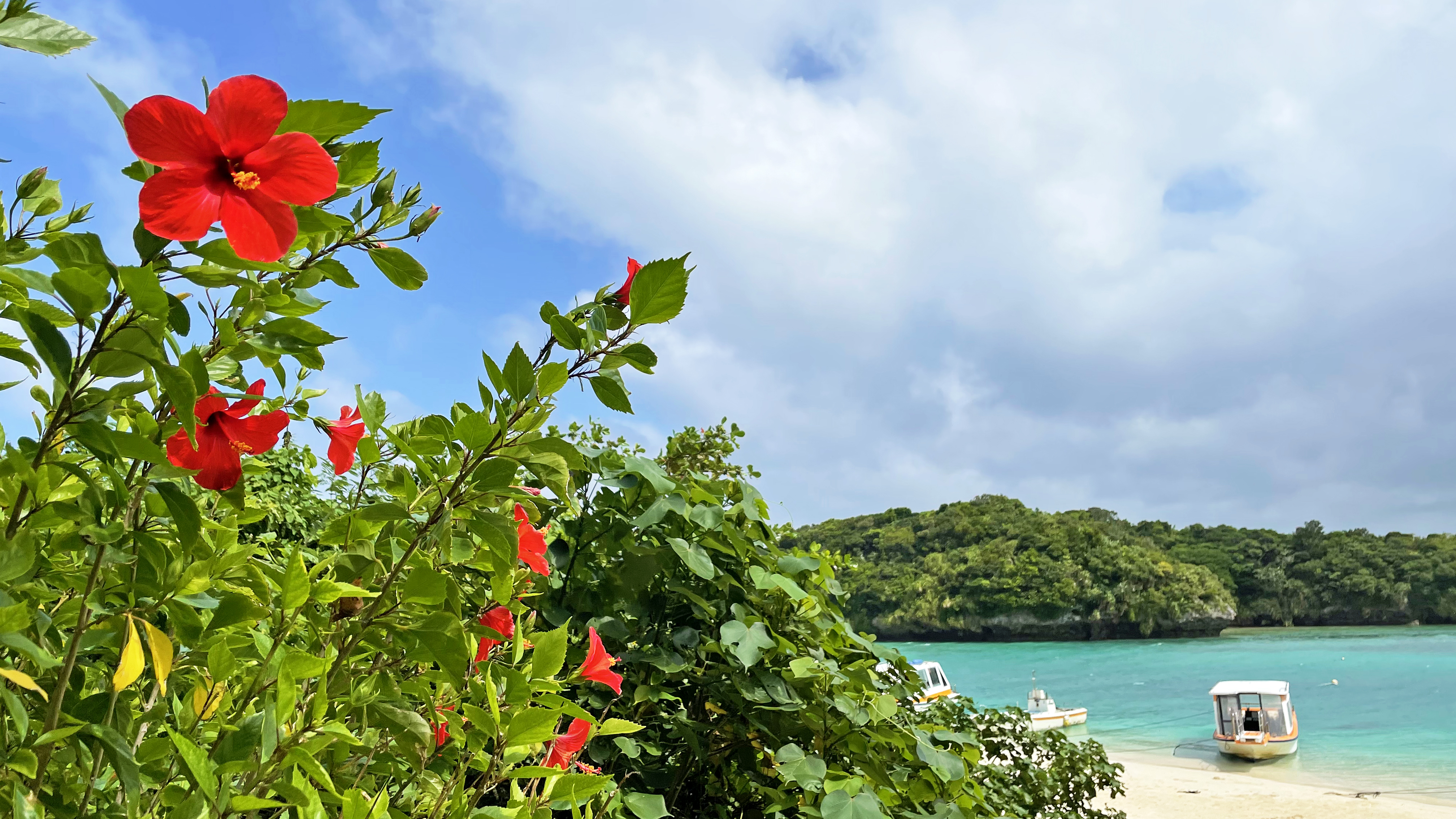
Okinawa is Japan’s sole subtropical region, attracting visitors seeking white sand beaches and swaying palms. Of the 160 or so islands, about 40 are inhabited, and the prefecture comes by the nickname “Caribbean of the Sea” honestly, said Travel and Leisure.
Popular spots include the jungle-filled Iriomote Island and Miyako Island, where travelers can swim and kayak through the turquoise waters. Going island hopping is easy, thanks to ferries and flights that connect through Naha Airport. Pack light and consider leaving the jacket at home — the weather is warm and humid year-round, comparable to Hawai‘i and Miami.
While most visitors come to Okinawa for the scenery and activities, some also want to learn more about its status as a Blue Zone. These areas have the highest proportions of centenarians and lower rates of diseases like cancer, diabetes and dementia. Two practices that may be linked to Okinawan longevity are hara hachi bu, which means eating until 80% full, and being part of a moai, a social support group that typically forms during childhood and continues through life.
Hit the beach and appreciate local art
Many activities in Okinawa “revolve around water,” making it a paradise for scuba divers and snorkelers, said Travel and Leisure. The underwater sights are “incredible,” thanks to coral reefs “known for their biodiversity,” arches, caves and wildlife like manta rays and sea turtles.
Aharen Beach and Tokashiku Beach on Tokashiki Island are two of the “most sought-after” spots for diving because of the marine life, said Travel and Leisure. Cape Higashi Henna on Miyako Island is where the Pacific Ocean meets the East China Sea and boasts more than 200 plant and flower species and views from its lighthouse that will “take your breath away,” the BBC said.
History is everywhere in Okinawa, which from 1429 to 1879 was the Ryukyu Kingdom, a tributary state under China’s Ming and Qing dynasties. Bingata, a traditional dyeing technique going back hundreds of years, “reigns supreme” in Okinawa, and this “endemic craft is also a key to its identity,” said Condé Nast Traveler.
Artisans — including some whose families have been perfecting the labor-intensive process for centuries — create “intricately patterned” bingata kimonos, handbags, cushions and tea towels. Workshops dot the islands, and items can also be purchased in many of the souvenir shops.
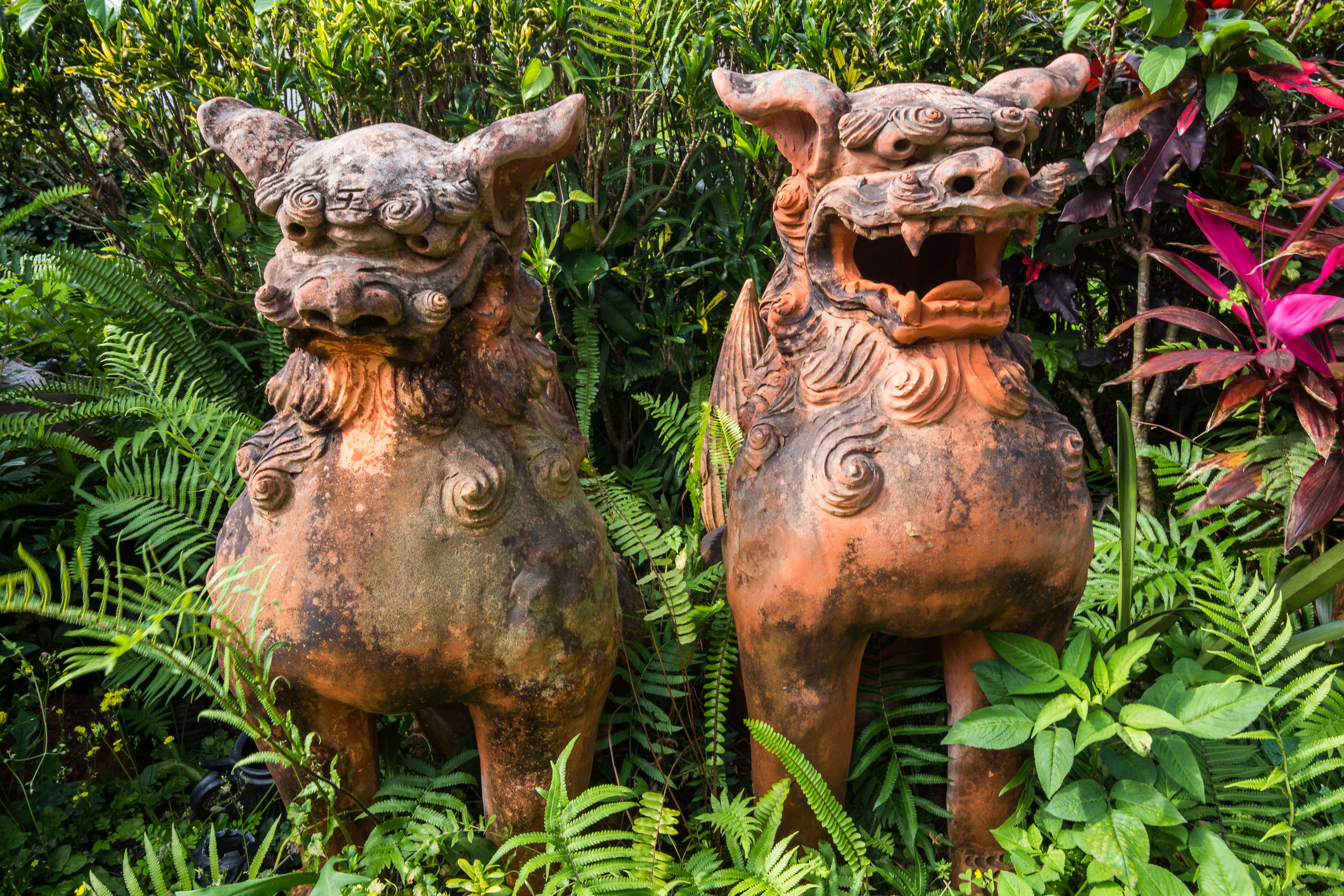
The epicenter of Okinawan pottery, called yachimun, is Tsuboya Yachimun Street in Naha. Explore the shops that line the road on a tour or solo (many open their studios to the public), and look up to see yachimun shisa dogs peering down from building entrances and roofs; these figures, found across Okinawa, are believed to offer spiritual protection. For a crash course on all things yachimun, and to see early examples of the earthenware, check out the Naha City Tsuboya Pottery Museum.
Dive into the dining scene
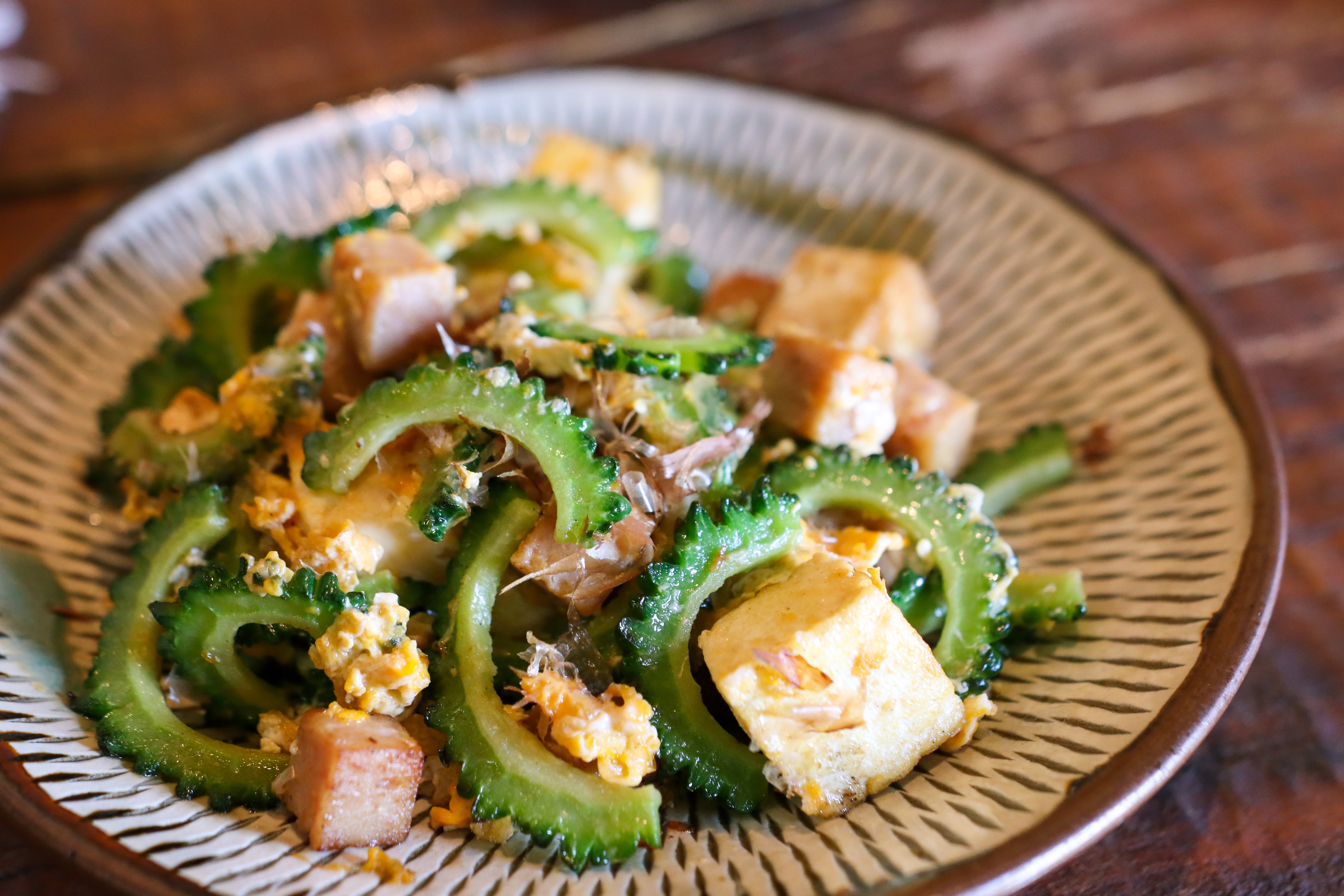
Seafood is fresh and plentiful, with skipjack tuna, tiger prawns and sea grapes (green caviar) regularly appearing on menus alongside Okinawan staples like goya champuru, a stir-fry containing bitter melon, and rafute, or braised pork belly. The “iconic” Okinawan taco rice was created in the kitchen of King Tacos, a chain specializing in “hybrid cuisine born out of the long intermingling of American, Japanese and Okinawan culinary traditions,” said The Wall Street Journal. Consisting of “liberally seasoned” minced beef, tomatoes, shredded lettuce and cheese on top of white rice, the dish’s reach has extended beyond Okinawa and can now be found in restaurants across Japan.
Find serenity on land and in the sea