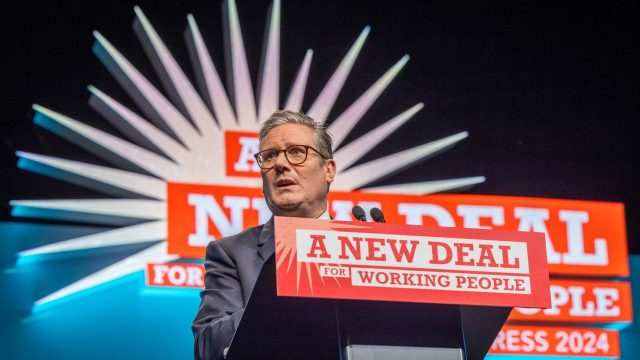
Labour has been accused of breaking another manifesto pledge after a last-minute U-turn watering down a key protection in its flagship Employment Rights Bill.
Changes to the proposed legislation included the government ditching plans to give workers the right to claim unfair dismissal from day one of a new job. The decision has been described as a “complete betrayal” by one Labour MP and leaves the bill as a “shell of its former self”, according to Unite general secretary Sharon Graham. But it is hoped the compromise will be enough to win over sceptical peers in the House of Lords and get the bill passed into law by next April.
What protections does the bill offer now?
Protection against unfair dismissal, which currently only comes into effect after two years in a job, will now kick in after six months – in line with most European countries. A compensation cap on successful unfair dismissal claims imposed by the Tories will also be lifted.
Other rights, such as the right to claim sick pay and paternity leave, and to apply for flexible working, will be enshrined from day one, and zero-hours contracts will be banned. The threshold for calling a strike will also be lowered, with a union requiring only a simple majority of members who voted rather than at least 40% of those eligible to vote as the current law dictates.
The enforcement of employment rights will be overseen by a new Fair Work Agency, which will have the right to inspect workplaces, issue fines and bring legal action on behalf of employees.
What has the reaction been?
The TUC’s general secretary Paul Nowak said the bill is “essential to better quality, more secure jobs for millions of workers across the economy”. But opposition politicians and business leaders have warned the new provisions are likely to have the opposite effect.
With unemployment already at a near five-year high, “employers have stopped hiring, in part because a rising living wage and steep rises in their national insurance charges have made it too expensive, but also because the looming legislation makes it too risky”, said Matthew Lynn in The Telegraph.
“The measures could cost firms £5 billion a year and risk being passed on to staff through smaller pay rises and hidden taxes which reduce wages over time,” said The Sun.
“No company can plan, invest or hire with this level of uncertainty hanging over them,” Conservative leader Kemi Badenoch said. Even the tweaked legislation is still “terrible for economic growth” – a key mission of the Labour government.
What happens next?
Despite anger in some parts of the party over the changes, the focus among Labour MPs is “keeping the rest of the package intact”, particularly the end of zero-hours contracts, said The New Statesman.
This could change were former deputy leader Angela Rayner, who led the passage of the bill through Parliament before she was forced to resign, to weigh in. There has been as yet “no public word from Rayner”, said Politico, but if she does end up coming out against the government, “lots of her allies will follow – and it will inevitably pile pressure on the still fragile state of the PM’s leadership”.
TUC says Employment Rights Bill is ‘essential to better quality, more secure jobs’ but critics warn of impact on economic growth