Budapest’s thermal baths have been soothing souls for centuries. These mineral-rich waters melt away stress, provide muscle relief and improve circulation after even a short soak. There are more than 120 thermal springs across the city, and each has its own look, feel and mineral mix.
Why is Budapest a thermal pool hot spot?

Hungary is “awash” with more than 1,300 thermal springs, said Lonely Planet, and in and around Budapest the water comes “bubbling up” from a vast network of underground caves. There has been a bathing culture here dating back to at least the fourth century B.C., when the Celtic tribe Eravisci lived here and named the area Ak-ink (Abundant Water). The Romans then built their own bathhouses in the first century A.D., with “luxuries such as hot and cold piped water and underfloor heating,” before the Ottomans constructed “elegant hammam-style baths” in the 16th and 17th centuries.
What are the benefits of bathing in thermal waters?
The spring water in a thermal bath is “rich in minerals” like sulfate, calcium, zinc and magnesium, and has long been used to treat ailments, said the BBC. Because each spring has its own one-of-a-kind mineral mix, the water is different at every bath. Some doctors give “bath prescriptions” to their older patients, as the thermal water can help with skin issues like psoriasis, eczema, arthritis and other joint troubles, Afar said. Because of the high mineral content, you will most likely notice a “sulfur smell” while in the water, but “don’t let that stop you” from enjoying a relaxing soak.
Baths worth visiting in Budapest
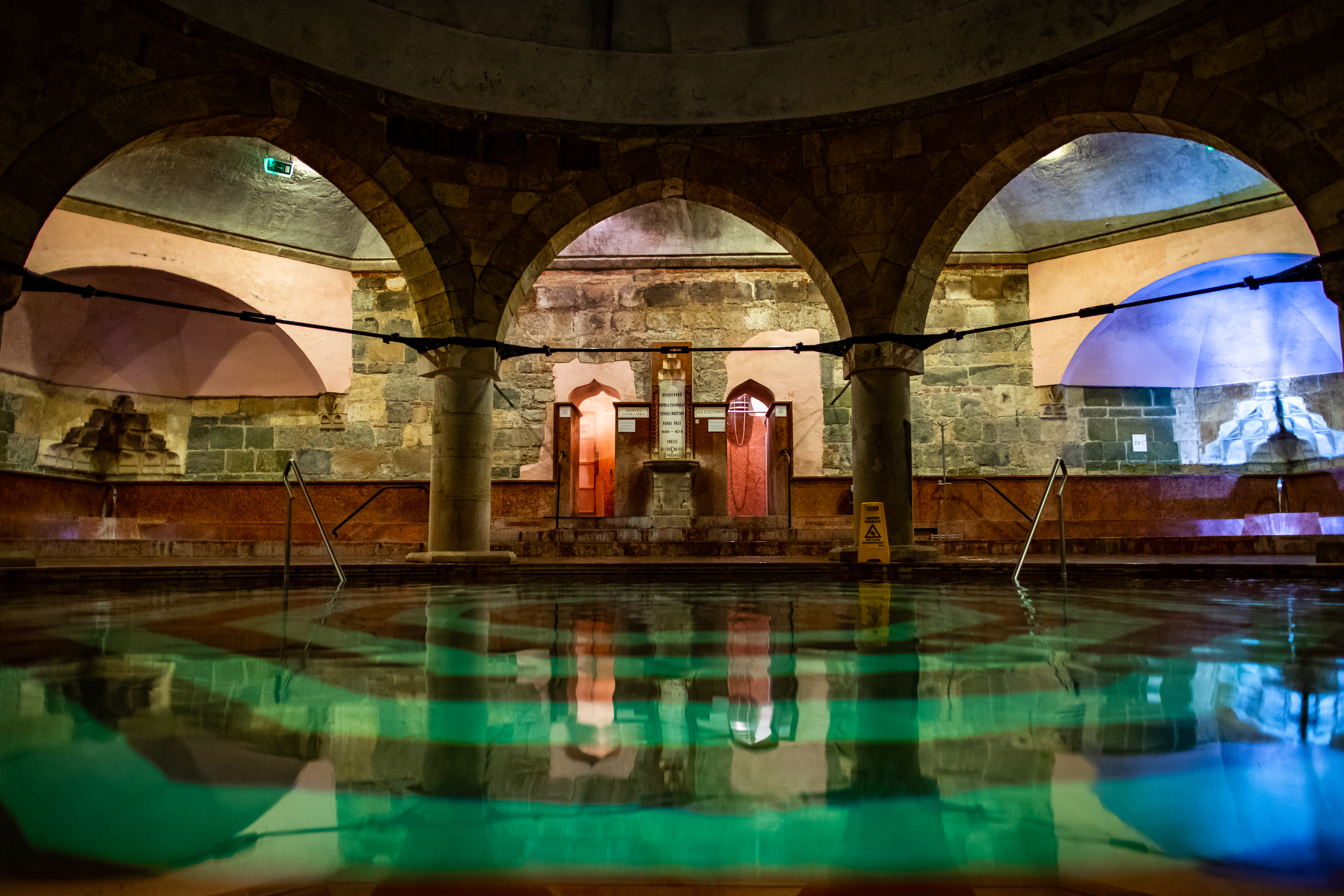
Visiting the Rudas Bath is like traveling back in time to the 16th century. That’s when this majestic complex was built, and it remains “resplendent with decorative elements like Ottoman domes and an octagonal pool,” said the BBC. During the week, the Turkish bath section observes a separation of the sexes, with mixed bathing on Saturdays and Sundays.
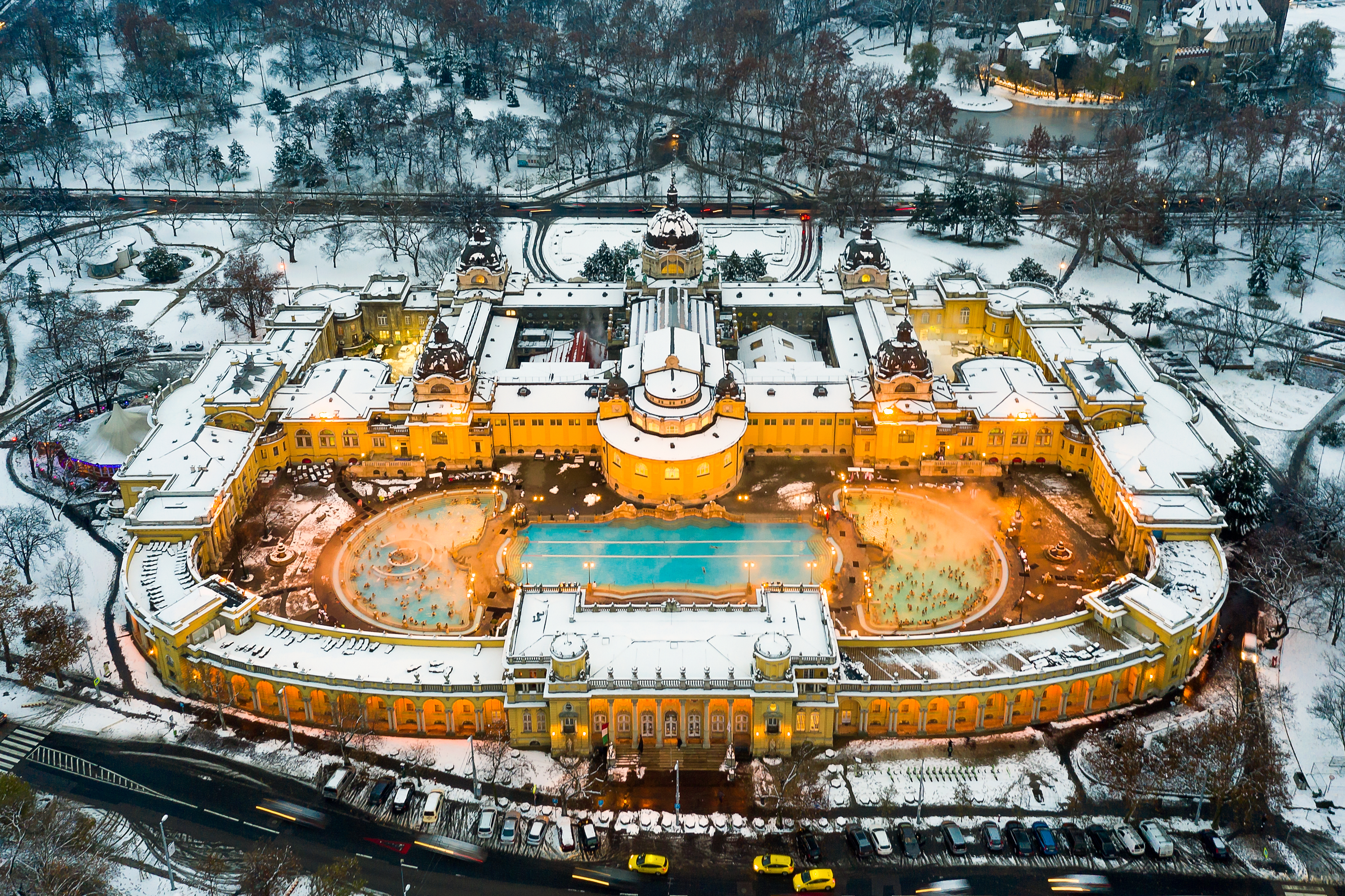
The neo-baroque Széchenyi Bath is Europe’s largest medicinal bath, with 15 indoor and three outdoor pools. During the dead of winter, it feels like a “special treat” to hit up an outdoor bath and “bask” in the hot water while your “breath plumes the cold air,” said Condé Nast Traveler.
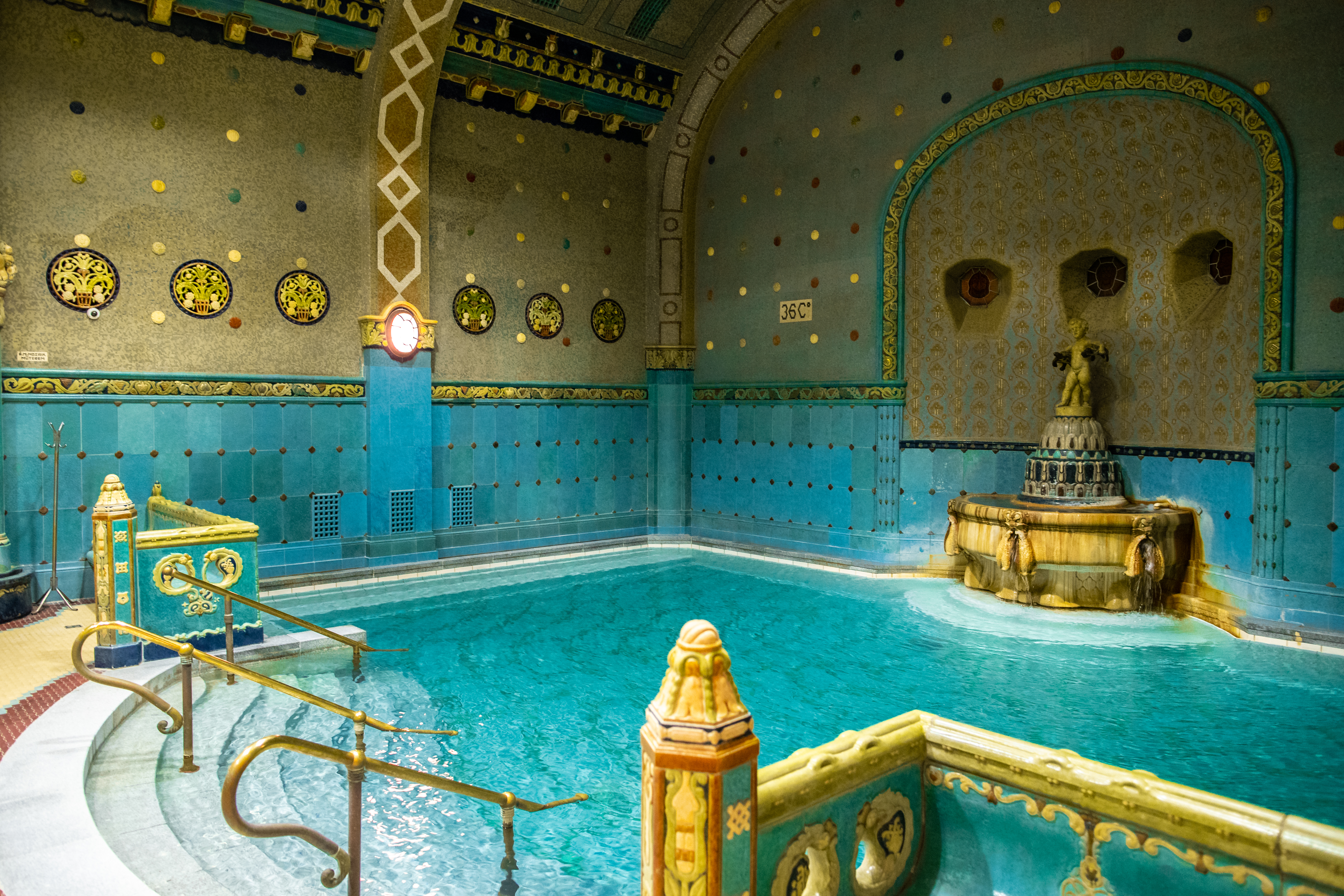
The Gellért Thermal Bath is a feast for the eyes, with “intricate tiling,” dozens of fountains and statues, “curved ceilings” and “gorgeously ornate” thermal pools, said Condé Nast Traveler. Gellért dates back to 1918, and its outdoor pool made history when it opened in the 1920s with the world’s first-ever artificial wave machine.
Tips for the baths
Thermal spas are a “part of everyday life” in Budapest, skincare expert Margaret de Heinrich told the BBC, and you will see people of all ages in the baths. Many come to the spas to relax on their own, while others go to meet up with friends and relatives or for dates. You can chat in the baths, but they are considered “quiet zones” so you should keep your voice low.
Most of the baths operate year-round, and the best way to avoid crowds is by going early in the morning, close to when they open. You can keep your bathing suit on, too; almost every bath “went coed within the past decade” and nudity is no longer allowed, said Afar. There are a few exceptions, so check in advance with the bath you plan on visiting.
Before getting in the water, rinse off in the shower. Typically, the baths are labeled with their temperatures in Celsius, and it is best to “work from medium-warm baths up to the hotter ones,” Afar said. Make a day out of it by also hitting up the saunas and steam rooms and booking a spa treatment like a massage or mud wrap.
There’s a reason why it’s called the City of Spas