DCNA Nature reports shares news on a documented increase in known whale and dolphin species in the waters surrounding Saba, St. Eustatius, and St. Maarten. A study published in the Latin American Journal of Aquatic Mammals reports 124 sightings of 17 different cetacean species in the Dutch Caribbean between 2021 and 2025, nearly three times more than previously reported. For full article, visit DCNA Nature.
A team of regional researchers has uncovered a remarkable increase in known whale and dolphin species in the waters around Saba, St. Eustatius, and St. Maarten. Published in the Latin American Journal of Aquatic Mammals, the study documents 124 sightings of 17 different cetacean (whales and dolphins) species in this part of the Dutch Caribbean between 2021 and 2025, nearly three times more than previously reported. This work was made possible through boat-based surveys, citizen science records, and collaborations across local institutions, including the Caribbean Cetacean Society, Saba Conservation Foundation, STENAPA, and the Nature Foundation St. Maarten.
From Six to Seventeen: Before this research, only six cetacean species had been documented in these waters. The updated count of 17 includes familiar animals like humpback whales and bottlenose dolphins, but also surprising newcomers such as striped dolphins, rough-toothed dolphins, pygmy killer whales, and beaked whales previously undocumented in this region. Many of these new records came from systematic surveys and careful review of visual and acoustic sightings, showing that the marine life here is more diverse and active than we realized. This highlights the importance of dedicated fieldwork and local observations in filling gaps in our understanding of Caribbean marine biodiversity.
Why This Matters for the Dutch Caribbean: Cetaceans are not just charismatic animals; they are key indicators of ocean health and ecosystem function. Finding a wider range of species here shows that the Windward Dutch Caribbean supports important habitat for both coastal and oceanic marine mammals. This matters for conservation and management, especially as these islands work to protect the Yarari Marine Mammal and Shark Sanctuary and consider how ocean governance and protected areas can adapt to what science is revealing about species distribution. Knowing which species are present helps governments, park managers, and communities make smarter decisions about human activities at sea, from shipping to fisheries to tourism.
How You Can Help Keep Our Seas Wild: There’s more to learn about these animals, and people are part of that story. You can get involved by supporting local citizen science programs, reporting sightings through networks like observation.org, and engaging with local park foundations that monitor marine life. Simple actions like choosing responsible whale-watching operators, giving these species the space they deserve while boating, reducing plastic use, and staying informed about marine conservation help protect the waters these animals call home. The big lesson from this work is that we still have much to discover about the nature around us, and that stewardship starts with curiosity, observation, and care. [. . .]
For full article, go to https://dcnanature.org/windward-cetaceans/
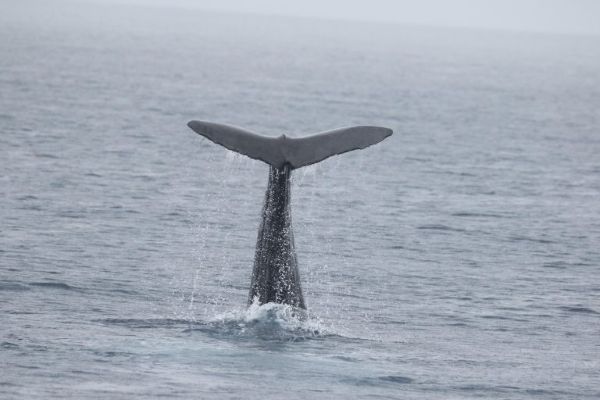
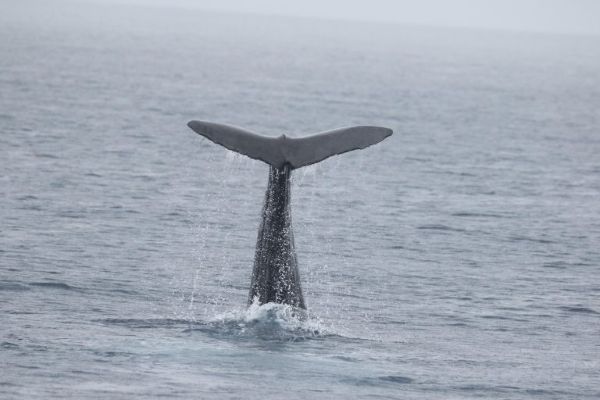
[Photo above provided by CCS: Sperm whale. See DCNA Nature.]
DCNA Nature reports shares news on a documented increase in known whale and dolphin species in the waters surrounding Saba, St. Eustatius, and St. Maarten. A study published in the Latin American Journal of Aquatic Mammals reports 124 sightings of 17 different cetacean species in the Dutch Caribbean between 2021 and 2025, nearly three times more